Volcanoes National Park Gorilla Trekking
May 21, 2026
Wildebeest Migration Safari Experiences
May 21, 2026Rwanda vs Uganda Gorilla Trekking Comparison
Rwanda vs Uganda Gorilla Trekking Comparison
Rwanda vs Uganda Gorilla Trekking Comparison. Gorilla trekking is one of Africa’s most iconic wildlife experiences, attracting travelers from all over the world to come face-to-face with endangered mountain gorillas in their natural rainforest habitats. The two most popular destinations for this experience are Rwanda and Uganda, both home to a significant population of mountain gorillas living within the Virunga ecosystem and Bwindi forests.
While both countries offer life-changing gorilla trekking adventures, they differ in accessibility, cost, terrain, accommodation, wildlife experience, and overall travel style. This detailed comparison helps travelers choose the best destination based on their budget, fitness level, and safari expectations.
Overview of Gorilla Trekking in Rwanda and Uganda
Volcanoes National Park is Rwanda’s main gorilla trekking destination and is known for its well-developed tourism infrastructure, shorter trekking distances, and premium safari experience.
In Uganda, gorilla trekking takes place mainly in Bwindi Impenetrable National Park and Mgahinga Gorilla National Park, both offering more rugged, adventurous, and budget-friendly trekking experiences.
Both destinations offer highly regulated, safe, and conservation-focused gorilla encounters with strict visitor limits and professional ranger guidance.
Accessibility and Ease of Travel
One of the biggest differences between Rwanda and Uganda gorilla trekking is accessibility.
Rwanda’s Volcanoes National Park is located just 2 to 3 hours’ drive from Kigali International Airport, making it one of the most accessible gorilla trekking destinations in the world. This convenience attracts luxury travelers, short-stay tourists, and high-end safari visitors who prefer quick access to gorilla trekking sites.
Uganda, on the other hand, requires longer travel times. Bwindi Impenetrable National Park and Mgahinga Gorilla National Park are located approximately 8 to 10 hours by road from Kampala or Entebbe. However, Uganda also offers domestic flights to nearby airstrips, reducing travel time significantly.
While Rwanda is more convenient, Uganda offers a more immersive and scenic journey through diverse landscapes.
Gorilla Trekking Permit Costs
Permit pricing is one of the most significant differences between the two destinations.
Rwanda’s gorilla trekking permits are generally more expensive, positioning the country as a luxury tourism destination. This higher cost reflects Rwanda’s focus on high-end, low-volume tourism and premium visitor experiences.
Uganda offers more affordable gorilla trekking permits, making it a popular choice for budget travelers, backpackers, and mid-range safari tourists. This affordability allows visitors to combine gorilla trekking with other experiences such as Big Five safaris, chimpanzee tracking, and cultural tours.
Both countries use permit fees to support conservation efforts, community development, and protection of mountain gorillas.
Trekking Difficulty and Terrain
The physical challenge of gorilla trekking differs between Rwanda and Uganda.
In Rwanda’s Volcanoes National Park, trekking is generally less strenuous. The terrain is mostly composed of volcanic slopes, bamboo forests, and relatively open vegetation. Many gorilla families are located closer to park entry points, making treks shorter and easier for most visitors.
In Uganda, especially in Bwindi Impenetrable National Park, the trekking experience is more physically demanding. The forest is denser, the terrain is steeper, and trails can be muddy and challenging. However, this adds to the sense of adventure and wilderness immersion.
Uganda is ideal for travelers seeking a more rugged, authentic rainforest trekking experience, while Rwanda is better suited for those preferring comfort and shorter hikes.
Gorilla Population and Viewing Experience
Both Rwanda and Uganda are home to mountain gorillas, but Uganda hosts a larger population.
Uganda’s Bwindi Impenetrable National Park alone is home to nearly half of the world’s remaining mountain gorillas. This increases the number of available gorilla families and trekking groups.
Rwanda’s Volcanoes National Park also has well-habituated gorilla families, offering reliable sightings and excellent visitor experiences.
In both destinations, visitors are guaranteed a high chance of seeing gorillas due to careful tracking and habituation processes managed by conservation authorities.
Wildlife and Safari Variety
One of Uganda’s biggest advantages is the ability to combine gorilla trekking with classic African safaris.
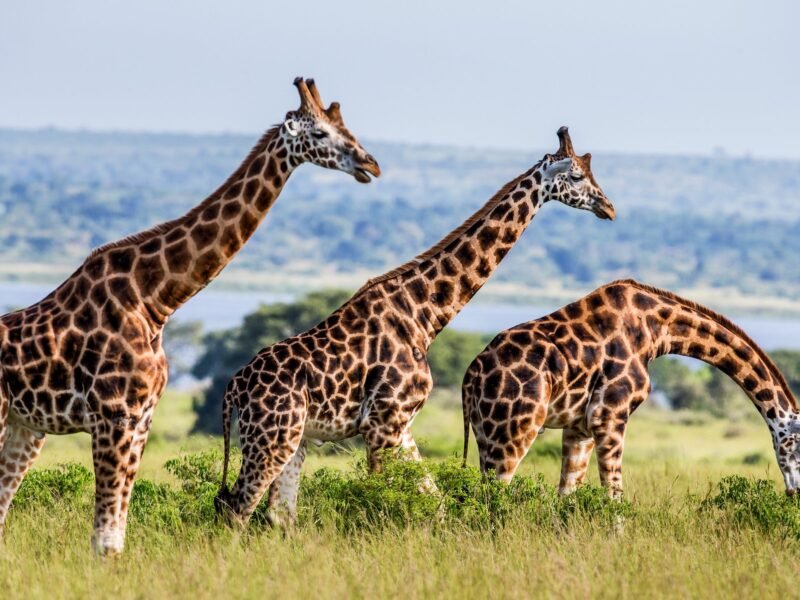
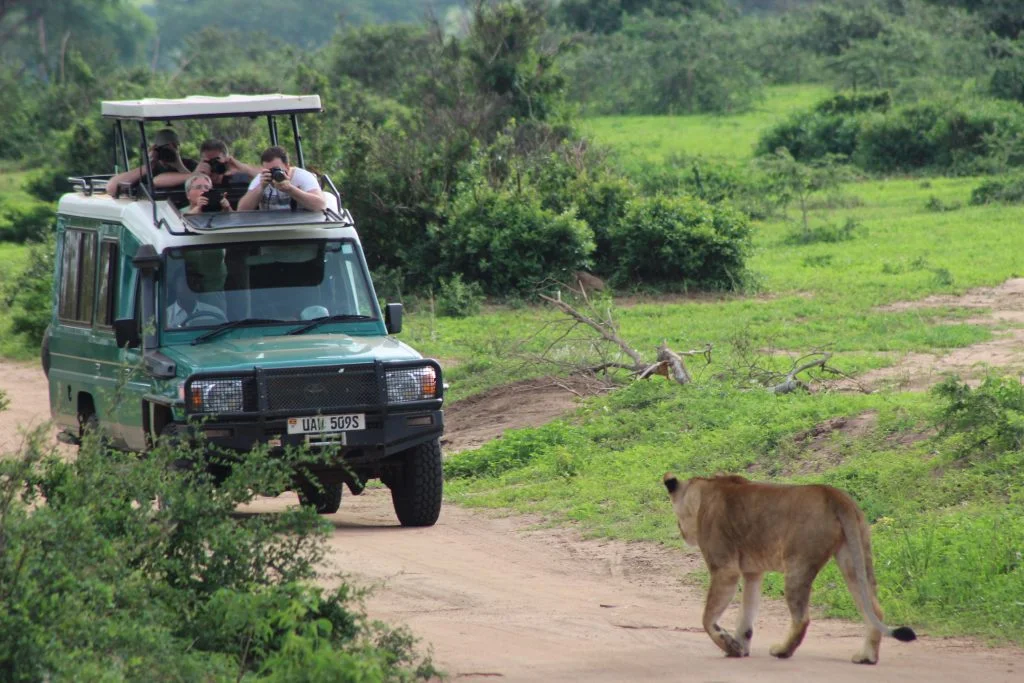
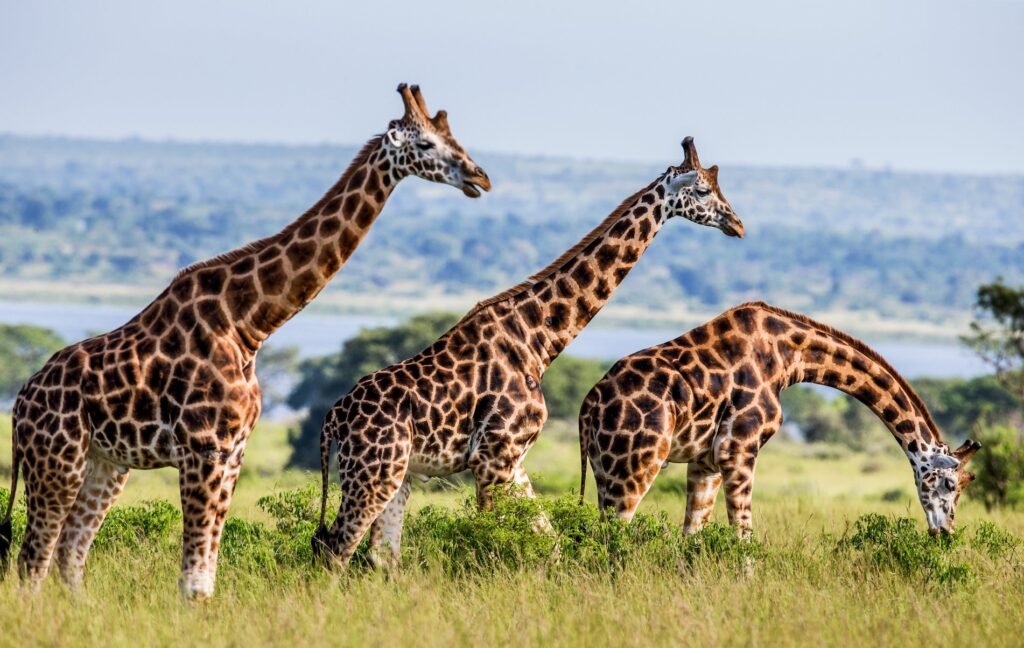
In Uganda, travelers can visit parks such as Queen Elizabeth National Park and Murchison Falls National Park to see lions, elephants, buffaloes, leopards, giraffes, and many other wildlife species.
Uganda also offers chimpanzee trekking in Kibale Forest and Kyambura Gorge, making it one of Africa’s most diverse safari destinations.
Rwanda also offers wildlife experiences, but they are more limited compared to Uganda. However, visitors can still enjoy safaris in Akagera National Park, which features the Big Five.
Uganda is generally considered better for multi-activity safaris, while Rwanda focuses more on premium gorilla trekking experiences.
Accommodation and Safari Lodges
Both countries offer high-quality accommodation options, but their styles differ.
Rwanda is known for luxury lodges that focus on exclusivity, elegance, and high-end service. Lodges near Volcanoes National Park provide premium experiences with spa treatments, fine dining, and private forest views.
Uganda offers a wider range of accommodation, from budget guesthouses to luxury safari lodges. This variety allows travelers to choose based on their budget and safari style.
Uganda’s lodges are often located in more remote and scenic wilderness areas, offering immersive rainforest or savannah experiences.
Crowd Levels and Tourism Experience
Rwanda generally attracts fewer but higher-paying tourists, resulting in a more controlled and exclusive tourism environment. Gorilla trekking groups are small and highly organized.
Uganda receives a larger number of tourists overall but spreads visitors across multiple gorilla trekking regions, which helps reduce crowding in individual parks.
Both countries strictly limit daily gorilla permits to protect the animals and ensure a quality visitor experience.
Travelers seeking exclusivity often prefer Rwanda, while those seeking diversity and flexibility often prefer Uganda.
Photography Opportunities
Both destinations offer excellent photography opportunities, but the style of experience differs.
Rwanda provides clearer access and often shorter vegetation, making it easier to capture gorillas in open settings.
Uganda offers more dramatic rainforest scenery, with dense jungle backdrops, misty environments, and a more natural wilderness feel.
Photographers who prefer clean compositions often favor Rwanda, while those who prefer atmospheric jungle photography often choose Uganda.
Cultural Experiences
Both countries offer rich cultural experiences alongside gorilla trekking.
In Rwanda, visitors can explore cultural villages, museums, and community experiences that highlight traditional Rwandan heritage.
Uganda offers more extensive cultural tourism options, including Batwa cultural experiences near Bwindi, village walks, craft markets, and traditional performances.
Uganda’s cultural diversity is broader, while Rwanda’s experiences are more curated and structured.
Best Time for Gorilla Trekking
Both Rwanda and Uganda offer year-round gorilla trekking opportunities.
The best time to visit both countries is during the dry seasons from June to September and December to February. During these months, trekking trails are less slippery and easier to navigate.
Rainy seasons provide greener landscapes and fewer tourists but can make trekking more physically challenging.
Conservation Efforts
Both countries play a vital role in protecting mountain gorillas.
Revenue from trekking permits supports anti-poaching operations, ranger patrols, habitat conservation, and community development projects.
Thanks to conservation efforts in Rwanda, Uganda, and the Democratic Republic of Congo, mountain gorilla populations have been steadily increasing over the years.
Tourism plays a crucial role in ensuring the survival of these endangered primates.
Which Destination Should You Choose?
Choosing between Rwanda and Uganda depends on your travel style and priorities.
Choose Rwanda if you prefer:
- Short travel time from the airport
- Luxury and exclusive safari experience
- Easier trekking terrain
- Premium accommodation options
Choose Uganda if you prefer:
- Budget-friendly gorilla trekking
- Longer and more adventurous hikes
- Combination of gorillas and Big Five safaris
- More diverse wildlife and landscapes
Both destinations offer unforgettable gorilla encounters, and neither is “better” universally—it depends on what kind of safari experience you want.
PLAN MY TRIP
Our Popular Safaris
- 3-Day Gorillas & Lake Bunyonyi Budget Tour
- 3-Day Kayaking and Bungee Jumping on the River Nile Tour
- 3-Day Bwindi Gorilla and Mgahinga Golden Monkeys Safari from Kigali
- 3-Day Murchison Falls Luxury Getaway
- 14-Day Uganda Gorillas, Chimps and Wildlife Luxury Safari
- 21-Day Safari of Uncovering Uganda’s Wildlife & Beauty
- 7-Day Serengeti Safari with Zanzibar Beach Holiday
- 5-Day Upper Mid-Range Best of Tanzania Safari
- 5-Day Classic Tanzania Luxury Wildlife Safari
- 7-Day Serengeti Safari with Zanzibar Beach Holiday
- 5-Day Classic Tanzania Luxury Wildlife Safari
- 7-Day Primates of Uganda Tour