Best Safari Travel Insurance Tips
May 21, 2026
Why Guided Safaris Are Better Than Self-Drive
May 21, 2026How to Stay Safe During Safari Tours
How to Stay Safe During Safari Tours
How to Stay Safe During Safari Tours. There is nothing quite like the thrill of watching a lion move silently through golden grass, or locking eyes with a silverback gorilla in the misty highlands of Uganda. Safari tours in East Africa rank among the most extraordinary experiences on the planet — but like any adventure in the wild, they come with responsibilities. Staying safe during a safari is not just about following rules; it is about respecting the environment, trusting your experts, and preparing smartly so that every moment of your journey is filled with wonder, not worry.
At Frena Adventures, we have spent years crafting tailor-made safari experiences across Uganda, Kenya, Rwanda, and Tanzania. Whether you are embarking on exclusive savannah game drives or venturing into the forest for gorilla trekking, safety is the cornerstone of everything we do. This guide walks you through the essential safety practices every traveler should know before setting foot in the wild.
Choose a Reputable and Licensed Safari Operator
Your safari is only as safe as the team behind it. The very first and most critical step is selecting an operator with a proven track record, professional guides, and deep knowledge of the local terrain. A licensed operator ensures that all vehicles are properly maintained, guides are certified, and every itinerary accounts for wildlife behavior and emergency protocols.
At Frena Adventures, our safari packages are crafted by homegrown East African experts who know these landscapes intimately — not from a brochure, but from lived experience. We are proud to uphold the principles of responsible tourism, ensuring your adventure is both safe and sustainable. Before booking with any operator, verify their registration with relevant national tourism bodies and read genuine traveler reviews.
Always Listen to Your Safari Guide
Your guide is your greatest safety asset in the wild. These are trained professionals who understand animal behavior, park regulations, and emergency protocols. Whether you are on a game drive in the Masai Mara or trekking through the Bwindi Impenetrable Forest, every instruction your guide gives has a reason rooted in experience and expertise.
Never wander away from the group without permission. Do not make loud noises, sudden movements, or attempt to get closer to wildlife for a better photograph. The golden rule is simple: your guide speaks, you listen. This is not about limiting your experience — it is about ensuring you live to cherish every memory of it. Our guides at Frena Adventures are carefully vetted for their knowledge and their genuine commitment to keeping travelers safe while delivering an unforgettable experience, as outlined in our Africa Safari Experiences.
Maintain a Safe Distance from Wildlife
One of the most common mistakes first-time safari-goers make is underestimating how quickly wildlife can move and how unpredictable animal behavior can be. Even animals that appear calm or docile can become defensive if they feel threatened or if their young are nearby.
Always maintain the recommended distance from wildlife — typically a minimum of seven meters from primates and a greater distance from big cats, elephants, and buffalos. During activities such as chimpanzee trekking, there are strict health protocols in place not just for human safety, but also to protect the animals from human-transmissible diseases. Never mimic animal sounds, throw food, or attempt to touch wildlife under any circumstances. When in a vehicle, keep your hands inside, stay seated, and follow the guide’s cues at all times.
Dress Appropriately for the Environment
What you wear on a safari matters more than you might think. Neutral-toned clothing — khaki, olive, brown, and beige — helps you blend into the environment without startling wildlife. Bright colors and white clothing can attract insects and draw animal attention unnecessarily. Avoid wearing blue or black, which are known to attract tsetse flies in certain regions.
Layering is essential, especially in highland safari areas or during early morning game drives when temperatures can drop significantly. Pack a light waterproof jacket for afternoon rains and wear sturdy, closed-toe shoes especially during walking safaris or forest treks. Long-sleeved shirts and trousers offer protection against insects, thorns, and harsh sun. A wide-brimmed hat and UV-protective sunglasses are non-negotiable for daytime outings across open savannahs like the Serengeti.
Protect Yourself Against Insects and Disease
East Africa is a tropical region, and while it is breathtakingly beautiful, it does come with health considerations. Malaria remains a risk in many safari destinations, so it is essential to take prescribed anti-malarial medication before, during, and after your trip. Consult your doctor or a travel health clinic at least six weeks before departure.
Apply a high-quality insect repellent containing DEET at dusk and dawn when mosquitoes are most active. Sleep under mosquito nets where provided, and ensure your accommodation is properly screened. Yellow fever vaccination is required for entry into several East African countries, including Uganda. It is worth checking the specific health requirements for each destination on your itinerary. Our team provides detailed pre-trip health guidance for all guests planning Uganda safari holidays or Tanzania safari holidays.
Stay Inside Your Vehicle During Game Drives
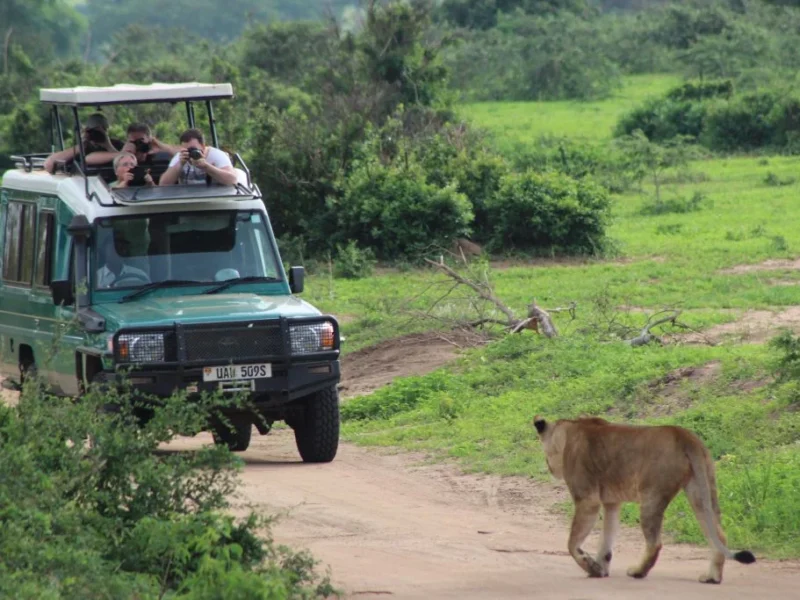
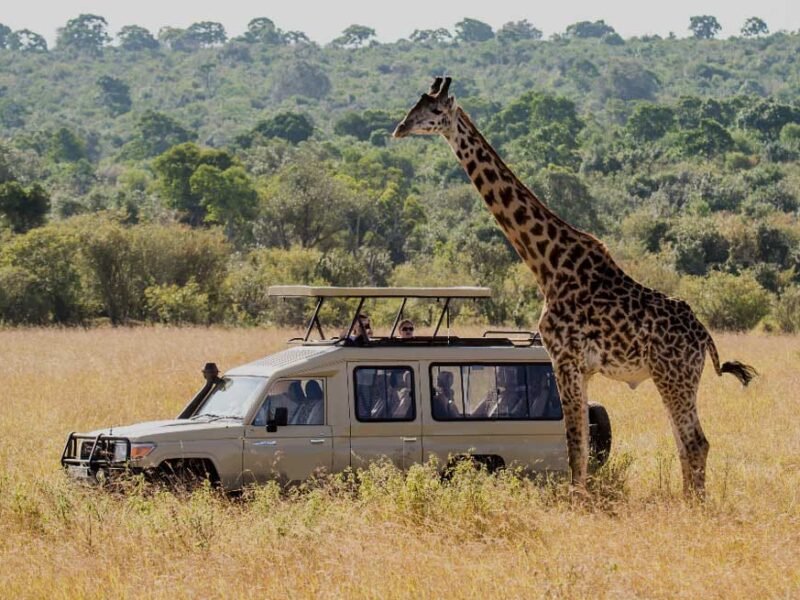
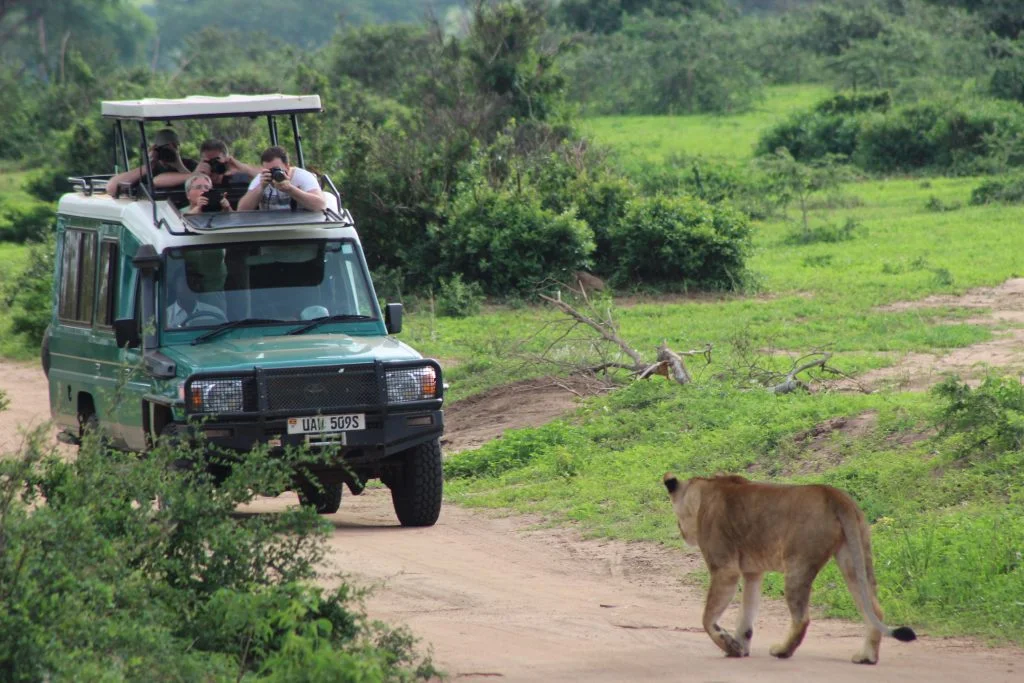
Unless your guide explicitly instructs you otherwise, remain inside your safari vehicle at all times during a game drive. The vehicle is effectively your camouflage — animals are habituated to the presence of cars and generally do not perceive them as threats. The moment you step outside, however, you become a ground-level presence that can trigger a predator’s instinct or a prey animal’s panic.
This rule is especially important around predators such as lions, leopards, cheetahs, and hyenas, as well as around large herbivores like elephants, hippos, and cape buffalos — which are statistically among the most dangerous animals on the continent. River crossings and areas near water sources during the Great Migration demand particular caution, as hippos and crocodiles are often present.
Secure Your Belongings and Mind Camp Safety
Safari camps and lodges are designed to be safe, but the wild does not end at the gate. Many camps are unfenced, meaning that animals — from elephants to hyenas — can wander through at night. Always follow camp protocols: never walk unescorted after dark, keep tent or room zippers fully closed, and store food securely to avoid attracting wildlife.
Keep your passport, travel insurance documents, and valuables in a secure location such as a camp safe. Be cautious about displaying expensive camera equipment or electronics conspicuously. If your safari includes adventure activities such as white water rafting on the Nile, always use properly fitted safety gear and follow your guide’s briefing without exception.
Get Comprehensive Travel Insurance
No matter how well-prepared you are, the unexpected can always happen. Comprehensive travel insurance is not optional on a safari — it is essential. Your policy should cover emergency medical evacuation, trip cancellation, lost baggage, and medical treatment. Medical facilities in remote national park areas can be limited, and evacuation to a major city hospital can be both urgent and costly without coverage.
When booking your trip through Frena Adventures, we encourage all guests to discuss insurance options early in the planning process. Our team is happy to advise on the types of coverage recommended for each destination. For guests planning Kenya safari holidays or Rwanda gorilla safaris, specific coverage for high-altitude trekking and remote medical access is particularly important.
Respect Local Cultures and Communities
Safety on safari extends beyond wildlife. East Africa is a tapestry of rich and diverse cultures, and respectful engagement with local communities is a core part of a responsible and safe travel experience. Ask before photographing people, dress modestly when visiting villages, and engage with cultural experiences through guided and vetted programs.
Understanding and respecting local customs not only enriches your journey but also ensures smoother, more harmonious interactions throughout your trip. Learn why Frena Adventures has built a reputation for purpose-driven travel by visiting our Why Choose Frena Adventures page — where responsible, community-centered safari values are at the heart of everything we offer.
PLAN MY TRIP
Our Popular Safaris
- 3-Day Gorillas & Lake Bunyonyi Budget Tour
- 3-Day Kayaking and Bungee Jumping on the River Nile Tour
- 3-Day Bwindi Gorilla and Mgahinga Golden Monkeys Safari from Kigali
- 3-Day Murchison Falls Luxury Getaway
- 14-Day Uganda Gorillas, Chimps and Wildlife Luxury Safari
- 21-Day Safari of Uncovering Uganda’s Wildlife & Beauty
- 7-Day Serengeti Safari with Zanzibar Beach Holiday
- 5-Day Upper Mid-Range Best of Tanzania Safari
- 5-Day Classic Tanzania Luxury Wildlife Safari
- 7-Day Serengeti Safari with Zanzibar Beach Holiday
- 5-Day Classic Tanzania Luxury Wildlife Safari
- 7-Day Primates of Uganda Tour