Kigali City Tour Before Gorilla Trekking
May 21, 2026
Rwanda Chimpanzee Trekking Experiences
May 21, 2026Best Time to Visit Rwanda for Safaris
Best Time to Visit Rwanda for Safaris
Best Time to Visit Rwanda for Safaris. Rwanda is one of East Africa’s most rewarding and most reliably enjoyable safari destinations throughout the year — a compact, diverse, and exceptionally well-managed country where wildlife experiences of outstanding quality are possible in every month of the calendar. Unlike the vast, seasonally dramatic ecosystems of the Serengeti or Maasai Mara where timing is everything and the wrong month can mean missing the spectacle entirely, Rwanda’s three principal safari destinations — Volcanoes National Park, Akagera National Park, and Nyungwe National Park — each operate on their own seasonal rhythms, meaning that a well-planned Rwanda itinerary can deliver extraordinary wildlife encounters regardless of when you choose to travel. That said, understanding Rwanda’s seasons, rainfall patterns, and the specific ways in which each park’s wildlife and accessibility change across the year allows travellers to make genuinely informed choices that align their visit with their specific priorities — whether that is the best gorilla trekking conditions, the most concentrated Big Five game viewing in Akagera, or the finest birding quality in Nyungwe’s ancient forest. At Frena Adventures, seasonal planning is one of the most important dimensions of every Rwanda safari we design, and this complete guide gives you everything you need to choose the perfect time for your Rwanda wildlife journey.
Understanding Rwanda’s Climate and Seasons
Rwanda sits just south of the equator in the heart of the African Great Lakes region, and its climate is shaped by its equatorial position, its high altitude — Kigali sits at approximately 1,500 metres above sea level, with national parks ranging up to 4,500 metres in the Virunga volcanoes — and the moderating influence of the Great Rift Valley lakes that flank its eastern and western borders. Unlike the single wet and dry season cycle experienced by many African safari destinations, Rwanda has two distinct wet seasons and two distinct dry seasons each year, creating four broadly defined seasonal windows that each carry their own characteristics, advantages, and considerations for safari planning. The long dry season runs from June through September — Rwanda’s most popular safari period and widely regarded as the best time to visit for gorilla trekking and Big Five game viewing. The short dry season covers December through February, offering similar advantages in a slightly cooler and less crowded visitor window. The long wet season runs from mid-March through May, and the short wet season from October through November. Understanding these four windows — and how each park responds to them — is the foundation of effective Rwanda safari timing. Explore the complete Rwanda safari destinations guide to understand how each park’s seasonal character shapes the ideal visiting window.
June to September: Rwanda’s Premier Safari Season
The long dry season from June through September is without question the most popular and most widely recommended period for Rwanda safaris, and for good reason. During these four months, Rwanda’s weather is at its most reliably pleasant — warm, sunny days with minimal rainfall, clear skies that showcase the country’s extraordinary green landscape at its most photogenic, and cool evenings that make lodge stays and early morning trekking departures exceptionally comfortable. In Volcanoes National Park, the dry season brings significantly improved trekking conditions — forest trails are at their most accessible, vegetation is slightly less dense, and the reduced mud and slippery conditions make the physical demands of the gorilla trek considerably more manageable for guests of all fitness levels. Gorilla permit availability tightens considerably during these peak months as international demand surges, making advance booking through a specialist operator like Frena Adventures absolutely essential — permits can sell out six to twelve months ahead for the most sought-after July and August dates. Akagera National Park is at its finest during the dry season, with reduced vegetation opening up the savannah for clear, extended game drive sightlines, wildlife concentrating predictably around the permanent lake system, and road conditions across the park’s track network at their most reliably navigable. Discover our expertly designed Rwanda Gorilla Trekking Safaris for peak-season permit coordination and lodge recommendations.
December to February: Rwanda’s Hidden Premium Season
The short dry season from December through February is Rwanda’s second-best safari period and, for many experienced travellers and safari specialists, an even more appealing choice than the long dry season peak. The weather during these months is dry, warm, and consistently pleasant — broadly comparable to the June to September conditions — but visitor volumes are noticeably lower, creating a quieter, more intimate atmosphere across all three national parks that translates into a superior quality of wildlife encounter. Gorilla trekking in Volcanoes National Park during December, January, and February carries all the advantages of dry season conditions — manageable trails, clear weather, and excellent visibility in the forest — alongside a significantly less crowded visitor experience at the park’s lodge corridor and trailhead briefing areas. Akagera’s Big Five game viewing is excellent during the short dry season, with the park’s wildlife concentrated around predictable water sources and the savannah vegetation short enough to allow outstanding visibility on game drives. December brings an additional wildlife dimension to Akagera as migrant bird species begin arriving from the north, augmenting the park’s already exceptional resident bird community of over 500 species. Frena Adventures strongly recommends the December to February window to travellers who prioritise both quality wildlife encounters and a more exclusive, less crowded safari atmosphere. Explore our Rwanda Gorilla Luxury Safari experiences for the finest lodge selections and most expertly planned itineraries across this premium season.
March to May: Rwanda’s Long Wet Season
The long wet season from mid-March through May is Rwanda’s rainiest and most challenging period for safari travel, but it carries advantages that make it genuinely appealing for certain types of travellers and specific wildlife priorities. Rainfall during this period is typically heavy and sustained — afternoon and evening downpours are common, forest trails in Volcanoes National Park become significantly muddier and more physically demanding, and the tracks in Akagera’s less-developed sectors can become impassable after heavy rain. These practical challenges are real and should be considered honestly by travellers with limited hiking experience or mobility considerations. However, the wet season also brings Rwanda to its most lushly, brilliantly, almost impossibly green — the hillsides, forest edges, and savannah landscapes of all three parks achieve a visual richness during these months that the dry season simply cannot match, making the wet season by far the most rewarding period for landscape photography and scenic appreciation. Rwanda’s birding is outstanding during the wet season as migratory species arrive from Europe and northern Africa, resident birds enter full breeding plumage of extraordinary colour and display, and Nyungwe’s forest becomes intensely active with fruiting and the primate and bird activity that follows. Accommodation rates during the long wet season are significantly reduced across all of Rwanda’s national parks, making this the most budget-friendly window for travellers who can accept the additional physical challenge and logistical variability that comes with the rains. Our Nyungwe National Park experiences are particularly rewarding during the wet season for forest birding and chimpanzee activity.
October and November: Rwanda’s Short Wet Season
The short wet season from October through November sits between the long dry season and the festive December period, bringing a return of rainfall after the long dry months but typically with a lighter, more intermittent character than the sustained March to May rains. Gorilla trekking in Volcanoes National Park during October and November is entirely feasible and delivers genuine wildlife quality — the gorilla families are active and well-habituated throughout the year regardless of season — but trekking conditions are wetter and muddier than the peak dry season months, and the additional physical challenge of navigating slippery forest trails should be factored into fitness planning. Akagera National Park’s savannah begins greening during October and November as the first rains arrive, and the transition from dry season concentration to wet season dispersal creates interesting game drive dynamics as wildlife spreads across a broader area of the park in response to newly available water. Birding quality improves significantly during October and November as the first migratory arrivals begin, and the park’s wetland areas come alive with renewed activity as rainfall replenishes the seasonal pools and marsh edges that support a remarkable diversity of waterbirds. The short wet season is a genuinely viable Rwanda safari window for flexible, experienced safari travellers who prioritise value and exclusivity alongside quality wildlife encounters. Explore our complete Rwanda Safari Holidays for itineraries designed across every seasonal window.
Best Time for Gorilla Trekking in Volcanoes National Park
Gorilla trekking in Volcanoes National Park is available and rewarding throughout the entire year — the mountain gorilla families are resident within the park’s forest in every month, fully habituated to human presence, and accessible to permitted trekking groups regardless of season. The critical seasonal distinction relates to trekking conditions rather than gorilla availability. The dry seasons — June to September and December to February — offer the most comfortable and accessible trekking experience, with firmer trails, clearer weather, and somewhat reduced vegetation density that can make locating gorilla groups within the forest slightly faster and less physically demanding. The wet seasons bring muddier, more challenging trail conditions but also a forest atmosphere of extraordinary lushness and atmosphere — the mist-draped Virunga forest in the rains carries a primeval, cathedral-like quality that many gorilla trekkers describe as the most atmospherically powerful version of the experience. Permit demand peaks during July and August and over the Christmas and New Year period — securing permits for these dates requires booking twelve or more months in advance through Frena Adventures. For the most detailed and current permit availability guidance across all seasons, explore our Rwanda Gorilla Trekking Safari page and contact our team directly.
Best Time for Akagera’s Big Five Game Viewing
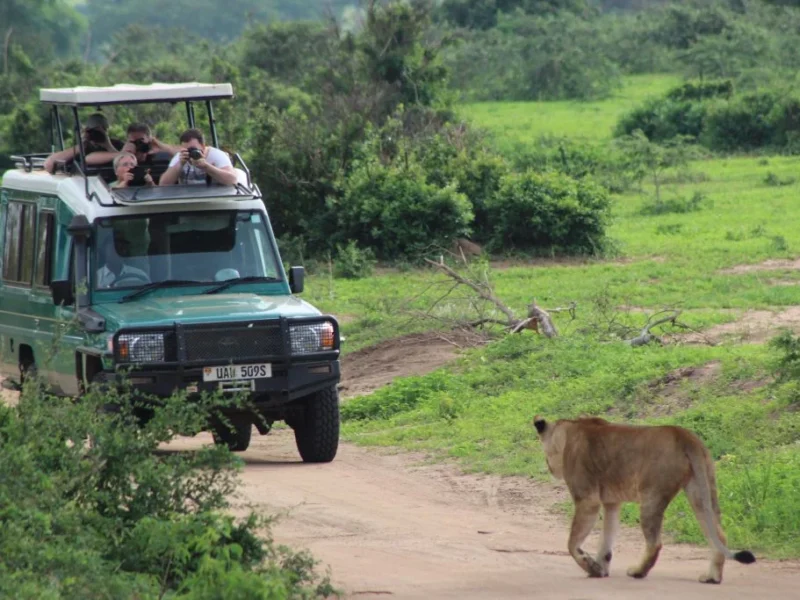
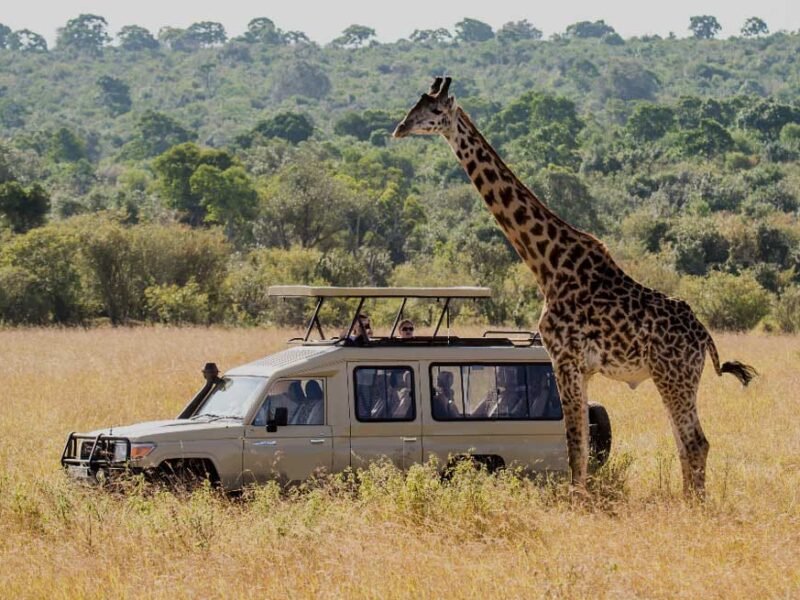
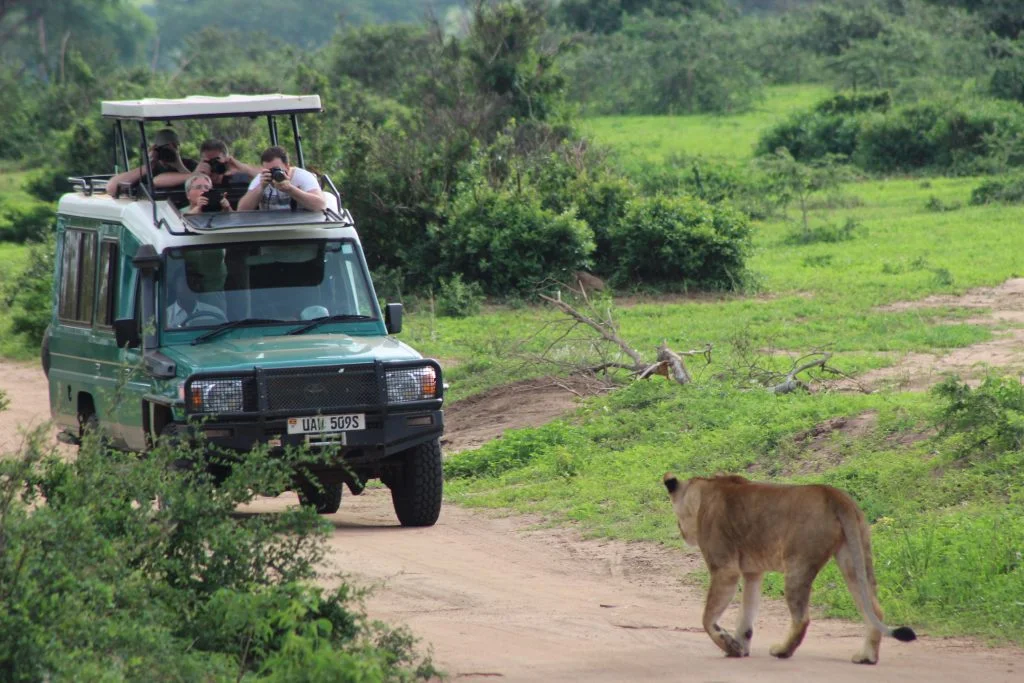
Akagera National Park delivers outstanding Big Five wildlife viewing throughout the year, but the dry seasons — June through September and December through February — consistently produce the most concentrated and accessible encounters. During these months, the park’s water sources contract to the permanent lakes and river channels, drawing elephants, buffalos, lions, rhinos, and plains game into predictable, photogenic locations around Lake Ihema, Lake Shakani, and the Kagera River system. Game drive visibility is maximised as the short dry-season grass opens up sightlines across the savannah, and the quality of the savannah game drive experience in Akagera during peak dry season rivals any Big Five destination in East Africa for intimacy, guide quality, and wildlife diversity. The 3-Day Akagera Big Five Safari from Frena Adventures is designed around the park’s optimal seasonal conditions and delivers a perfectly paced introduction to Rwanda’s most exciting conservation success story.
Best Time for Nyungwe Forest Birding and Primates
Nyungwe National Park is rewarding for chimpanzee tracking and forest birding throughout the year, but the two seasons carry distinct advantages for different visitor priorities. The dry seasons offer the most comfortable trekking conditions and the most reliable trail access across the park’s network of forest paths, making them the best choice for guests who prioritise physical comfort and trail accessibility. The wet seasons — particularly the October to November short rains and the March to May long rains — deliver the richest and most diverse birding conditions, as migratory species augment Nyungwe’s already exceptional resident bird community of over 310 species including 27 Albertine Rift endemics, and the forest’s fruiting activity keeps chimpanzee communities highly visible and actively vocal in the canopy. Frena Adventures designs dedicated Rwanda Birding Safaris that time Nyungwe visits for optimal species diversity and incorporates the forest’s seasonal character into every birding itinerary. Discover more about Rwanda’s safari experiences and how seasonal timing shapes the quality and character of every park visit.
Plan Your Rwanda Safari for the Perfect Season
Choosing the best time to visit Rwanda for your safari depends ultimately on your personal priorities — the experiences that matter most to you, the physical conditions you are most comfortable with, your flexibility around travel dates, and the budget you have available. The dry seasons deliver the most reliably comfortable conditions and the highest permit demand. The wet seasons offer exceptional value, outstanding birding, and a more exclusive visitor atmosphere at the cost of less comfortable trekking conditions. Every season has its advocates among experienced Rwanda safari travellers, and Frena Adventures can help you navigate the trade-offs with the kind of honest, detailed, and genuinely expert seasonal advice that only comes from years of designing Rwanda safaris across every month of the year. Browse our complete Rwanda Safari Packages for itineraries across every season and travel style, explore the flagship 7-Day Rwanda Experiential Safari as a comprehensive seasonal starting point, and discover how Rwanda connects with a broader East Africa Safari Holiday that extends into Uganda, Kenya, and Tanzania. Find out why experienced safari travellers trust Frena Adventures with their Rwanda planning, and contact our team today to begin designing the Rwanda safari that is perfectly timed for your ideal wildlife experience.
PLAN MY TRIP
Our Popular Safaris
- 3-Day Gorillas & Lake Bunyonyi Budget Tour
- 3-Day Kayaking and Bungee Jumping on the River Nile Tour
- 3-Day Bwindi Gorilla and Mgahinga Golden Monkeys Safari from Kigali
- 3-Day Murchison Falls Luxury Getaway
- 14-Day Uganda Gorillas, Chimps and Wildlife Luxury Safari
- 21-Day Safari of Uncovering Uganda’s Wildlife & Beauty
- 7-Day Serengeti Safari with Zanzibar Beach Holiday
- 5-Day Upper Mid-Range Best of Tanzania Safari
- 5-Day Classic Tanzania Luxury Wildlife Safari
- 7-Day Serengeti Safari with Zanzibar Beach Holiday
- 5-Day Classic Tanzania Luxury Wildlife Safari
- 7-Day Primates of Uganda Tour