Top Safari Activities Beyond Game Drives in East Africa
May 20, 2026
What to Expect on Your First African Safari Adventure
May 20, 2026Best Photography Tips for African Safari Travelers
Best Photography Tips for African Safari Travelers
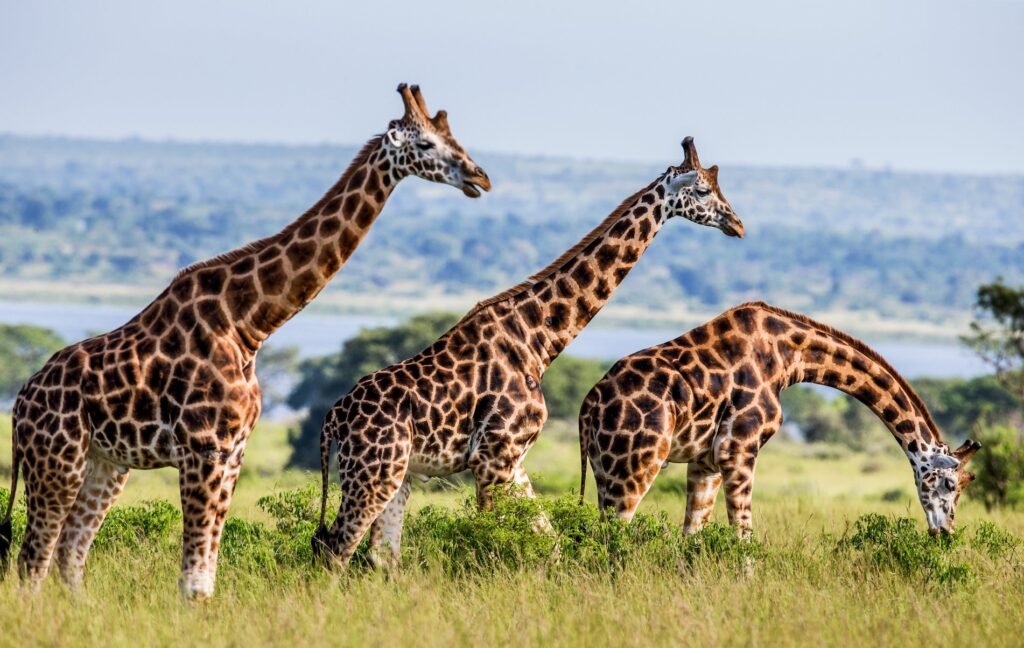
Best Photography Tips for African Safari Travelers. Africa does not merely give you a photograph — it gives you a story. Whether you are crouching in the mist of Bwindi’s ancient forest or watching a pride of lions stretch across a sun-scorched Serengeti plain, every moment begs to be captured. But great safari photography does not happen by accident. It is the result of preparation, patience, and understanding the unique conditions the African wild presents. Whether you are a seasoned photographer or picking up a camera for the first time, these tips will help you bring home images worthy of the continent that inspired them.
Choose the Right Gear Without Overpacking
The temptation to bring every piece of equipment you own is understandable, but a cluttered camera bag slows you down and draws unnecessary attention in delicate wildlife environments. The most important item in any safari photographer’s kit is a telephoto lens — ideally one that reaches at least 300mm, and preferably 500mm or more. Animals rarely cooperate by walking toward you, and in protected ecosystems like the Masai Mara National Reserve or the Serengeti, guides maintain respectful distances from wildlife.
Alongside your telephoto, pack a versatile wide-angle lens for landscapes, a sturdy bean bag or window mount for stability during game drives, and extra batteries and high-capacity memory cards. Dust is the silent enemy of all camera equipment in Africa’s savannah regions — bring microfiber cloths, a blower brush, and a sealed storage pouch. If your trip includes gorilla trekking in Uganda or Rwanda, consider a weather-sealed camera body, since highland forests can deliver sudden downpours without warning.
Master the Golden Hours — and Use Them Relentlessly
Professional wildlife photographers will tell you the same thing: the light defines the shot. On an African safari, the two most valuable windows of each day are the hour just after sunrise and the hour just before sunset. During these golden hours, the low-angle light wraps around animals in warm, honeyed tones, eliminates harsh shadows, and transforms even an ordinary scene into something cinematic.
This aligns perfectly with the rhythm of a well-planned safari. Exclusive savannah game drives typically depart before dawn precisely because predators are most active in cooler temperatures, and because the light rewards those who rise early. Set your camera to aperture priority, keep your ISO at a moderate level to manage noise in low-light conditions, and be ready before you think you need to be. The leopard will not pause to let you adjust your settings.
During midday, when the light is flat and harsh, use the break for reviewing your shots, charging batteries, and relaxing — wildlife activity drops significantly anyway. Resume shooting as the afternoon softens into gold again.
Understand Animal Behaviour Before You Press the Shutter
A technically perfect photograph of an animal staring blankly at the ground is far less compelling than a slightly imperfect shot of a cheetah at the moment of a sprint. Understanding animal behaviour transforms reactive shooting into anticipatory shooting.
Study the species you are most likely to encounter before your trip. Learn that lions are most active at dawn and dusk, that elephants communicate through subtle body language before a charge, that birds take flight predictably into the wind. When you explore the Tanzania wildlife safari experiences, your guide is your greatest asset — experienced naturalists read the bush the way others read a newspaper, and they will often position your vehicle minutes before an action sequence unfolds.
Pay particular attention to eyes. Sharp, in-focus eyes are the single most important element of any wildlife portrait. Use your camera’s eye-detection autofocus feature if available, and always prioritise the subject’s eye over every other element in the frame.
Compose Thoughtfully — Rules Exist to Be Broken Wisely
Safari photography rewards those who think beyond “animal in centre of frame.” Apply the rule of thirds to place your subject off-centre, allowing negative space to suggest movement or habitat. Shoot at the animal’s eye level whenever possible — a lion photographed from the window of a tall vehicle looks diminished; the same lion photographed at eye level through a low game drive window becomes commanding.
Context matters enormously in Africa. The sweeping red oat grass of Kenya’s Masai Mara, the volcanic silhouettes framing the gorilla habitat in Rwanda, the ancient baobabs of Tanzania’s dry season — these are not just backgrounds, they are characters. Pull back occasionally and let the landscape breathe around your subject. The iconic images that define Africa’s visual identity are rarely tight portraits; they are wide frames that make you feel the enormity of the wild.
When shooting the Great Migration, consider using a slower shutter speed during river crossings to suggest motion and chaos rather than freezing every wildebeest into a static shape. Experiment, review, and experiment again.
Adapt Your Settings for Each Environment
Safari photography spans dramatically different environments, and each demands different technical approaches. Open savannah shooting during a game drive rewards fast shutter speeds — 1/1000s or faster — to freeze running animals and eliminate camera shake caused by vehicle vibration. In forested primate habitats, where light is limited and subjects move unpredictably, push your ISO higher and accept a slightly wider aperture to maintain a workable shutter speed.
For those planning Uganda gorilla safaris or chimpanzee trekking in Kibale and Budongo, remember that your permitted hour with the gorillas or chimps is precious and unrepeatable. Set your camera to continuous burst mode and silent shooting if available, disable flash entirely (it is strictly prohibited with habituated primates and disturbing to all wildlife), and practise switching settings quickly before you enter the forest.
Birdwatchers and bird photographers — and East Africa rewards them amply — will benefit from practising tracking flight shots before the trip. Keep your autofocus mode on continuous tracking and your shutter speed above 1/2000s for birds in flight.
Respect the Wildlife and the Wild
The most important rule of safari photography has nothing to do with apertures or focal lengths: do not let the pursuit of the perfect shot compromise the welfare of the animals or the integrity of the ecosystem. Never request that your guide drive off-road to get closer to a subject. Never encourage noise or movement designed to provoke a reaction from wildlife. Adhere to the time limits near sensitive subjects, particularly gorilla families, and always follow the instructions of your ranger.
At Frena Adventures, ethical and purpose-driven travel sits at the heart of everything. Every safari is planned to balance extraordinary access with deep respect for wildlife and the communities that live alongside it. The result is not just better conservation — it is better photography. Animals that feel undisturbed behave naturally, and natural behaviour is always more compelling than a stress reaction.
Plan Your Safari Around Your Photography Goals
Not all safaris are built equally for photographers. If documentation of the Great Migration’s river crossings is your priority, timing your Tanzania visit between July and October around Serengeti National Park is essential. If forest primates are your passion, the misty highlands of Uganda and Rwanda offer unparalleled access when you explore the Bwindi Impenetrable National Park or Volcanoes National Park. For Kenya’s big cats, the dry season offers the clearest sight lines across the Mara.
Browse our full range of destinations and safari experiences to align your itinerary with your photographic vision, or explore our complete portfolio of Africa safari experiences for inspiration across the continent.
PLAN MY TRIP
Our Popular Safaris
- 3-Day Gorillas & Lake Bunyonyi Budget Tour
- 3-Day Kayaking and Bungee Jumping on the River Nile Tour
- 3-Day Bwindi Gorilla and Mgahinga Golden Monkeys Safari from Kigali
- 3-Day Murchison Falls Luxury Getaway
- 14-Day Uganda Gorillas, Chimps and Wildlife Luxury Safari
- 21-Day Safari of Uncovering Uganda’s Wildlife & Beauty
- 7-Day Serengeti Safari with Zanzibar Beach Holiday
- 5-Day Upper Mid-Range Best of Tanzania Safari
- 5-Day Classic Tanzania Luxury Wildlife Safari
- 7-Day Serengeti Safari with Zanzibar Beach Holiday
- 5-Day Classic Tanzania Luxury Wildlife Safari
- 7-Day Primates of Uganda Tour