
The Land of Giants and Baobabs
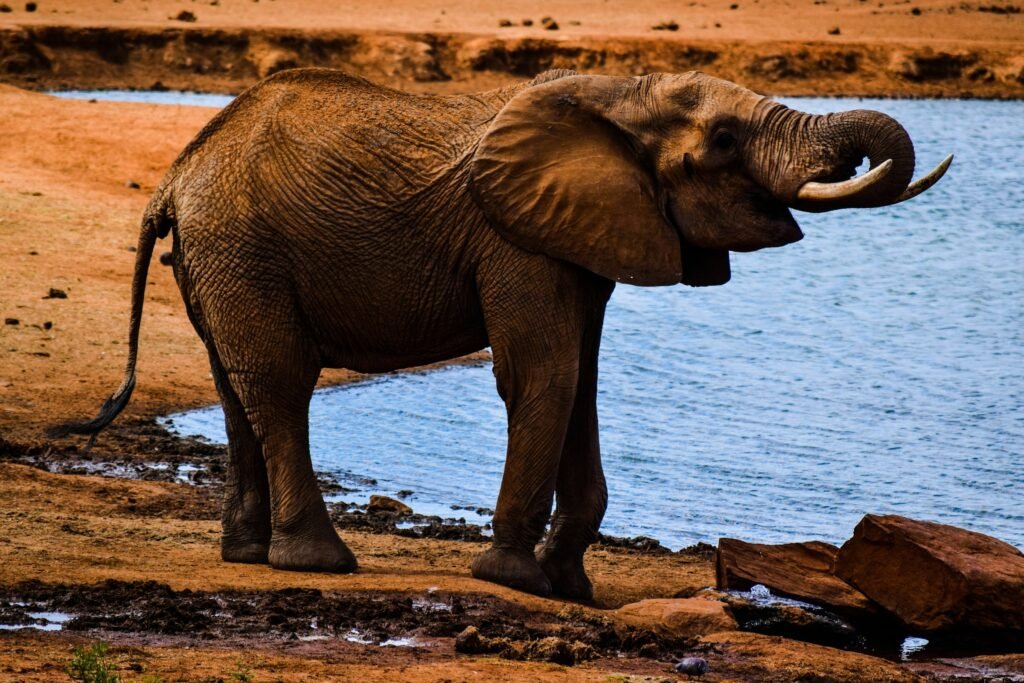
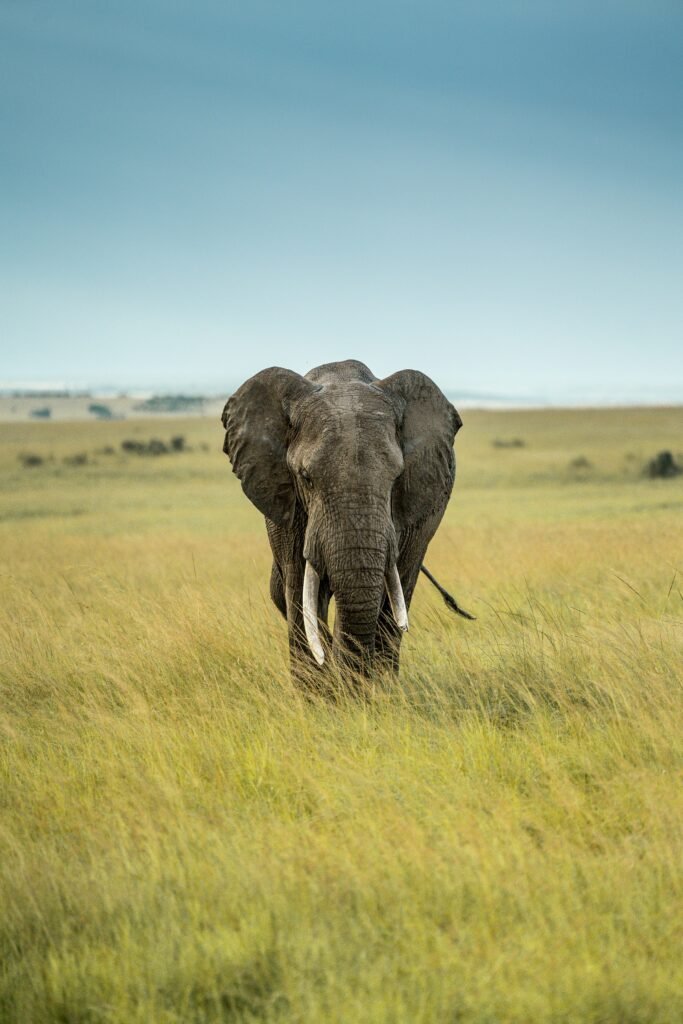
If the Serengeti is the heart of Tanzania’s safari circuit, Tarangire National Park is its soulful, rugged spirit. Often overshadowed by its more famous neighbors, Tarangire offers a landscape that is visually distinct from anywhere else in East Africa. It is a world of ancient, bulbous Baobab trees—often called upside-down trees—and sprawling river marshes that act as a magnet for wildlife, especially during the dry season. For the Frena Adventures traveler, Tarangire represents the Elephant Empire, where herds of several hundred giants are a common sight, moving through the dust in a majestic, slow-motion parade.
Tarangire National Park
The Lifeblood: The Tarangire River
The park’s ecosystem is dictated by the Tarangire River. During the dry season (June to October), this river becomes the only permanent water source in the entire region. This creates a mini-migration that is often more concentrated than the Serengeti’s.
Thousands of animals, wildebeest, zebra, eland, and buffalo—descend from the surrounding Maasai Steppe to the riverbanks. This high concentration of prey naturally draws in the predators. Tarangire is famous for its tree-climbing lions, a behavior thought to be a way to escape the heat or the biting flies on the ground, and its elusive leopards, which are frequently seen draped over the branches of acacia trees along the river loops.
The Great Baobab Sentinels
The most striking feature of Tarangire is the density of its Baobab trees (Adansonia digitata). Some of these giants are over 1,000 years old, standing as silent witnesses to the passage of time. These trees are more than just a photographic backdrop; they are essential to the ecosystem.
- Elephants and Baobabs: You will often see scars on the trunks of these trees. Elephants use their tusks to strip the bark and gouge out the soft, fibrous wood inside to reach the moisture stored within during extreme droughts.
- Avian Skyscrapers: The hollows and high branches of the Baobabs provide nesting sites for a staggering variety of birds, including the martial eagle and various species of vultures.
A Birder’s Paradise
Tarangire is widely considered one of the best birding destinations in Tanzania, boasting over 550 species. The park’s swamps, particularly the Silale Swamp, act as a massive green sponge that stays lush even when the rest of the park is parched.
- The Highlights: Keep your binoculars ready for the endemic Ashy Starling, the Yellow-collared Lovebird, and the Red-and-yellow Barbet.
- The Raptors: The park has one of the highest concentrations of breeding raptors in the world. On a single game drive, it is possible to spot up to ten different species of eagles and hawks.
Seasonal Dynamics: 2026 Travel Guide
| Season | Months | Wildlife Focus | Vibe |
| Peak Dry | July – Oct | Maximum Density. Massive herds at the river; best for predator action. | Dusty, golden, and high-energy. |
| Short Rains | Nov – Dec | Emerald Beauty. New life and migratory birds arrive from Europe/Asia. | Lush green landscapes; great for birders. |
| The Secret Dry | Jan – Feb | Resident Wildlife. Good visibility and fewer tourists than the Serengeti. | Quiet, exclusive, and warm. |
The Luxury Selection
Because Tarangire is less crowded, the lodges here offer a deep sense of immersion and bush luxury.
- Tarangire Treetops (Elewana): Built around a thousand-year-old baobab tree, these elevated treehouse suites offer a whimsical and ultra-luxurious perspective of the canopy.
- Sanctuary Swala: Located in a remote corner of the park, this camp features high-end canvas pavilions tucked away in a private forest of acacia trees, overlooking a waterhole frequently visited by elephants.
- Oliver’s Camp (Asilia): The gold standard for authentic luxury, Oliver’s is famous for its expert-led walking safaris and fly-camping expeditions under the stars.
Tarangire National Park
The Hidden South
While most visitors stick to the northern loops near the main gate, we often take our guests into the Southern Sector. This area is vast and wild, characterized by the Silale and Larmarkau Swamps. Here, the grass stays green longer, and the feeling of isolation is absolute. It is the best place to find the park’s massive buffalo herds and to experience a safari that feels like a true expedition into the unknown.