
The Legendary Mountains of the Moon
The Rwenzori Mountains are not just a range; they are a myth made manifest. Known as the Mountains of the Moon, this UNESCO World Heritage site is home to the only equatorial glaciers in Africa and the continent’s third-highest peak, Margherita (5,109m). At Frena Adventures, we treat the Rwenzoris as the pinnacle of East African exploration, a technical, ethereal, and deeply rewarding expedition for those who seek the botanical big game of the Afro-alpine world.
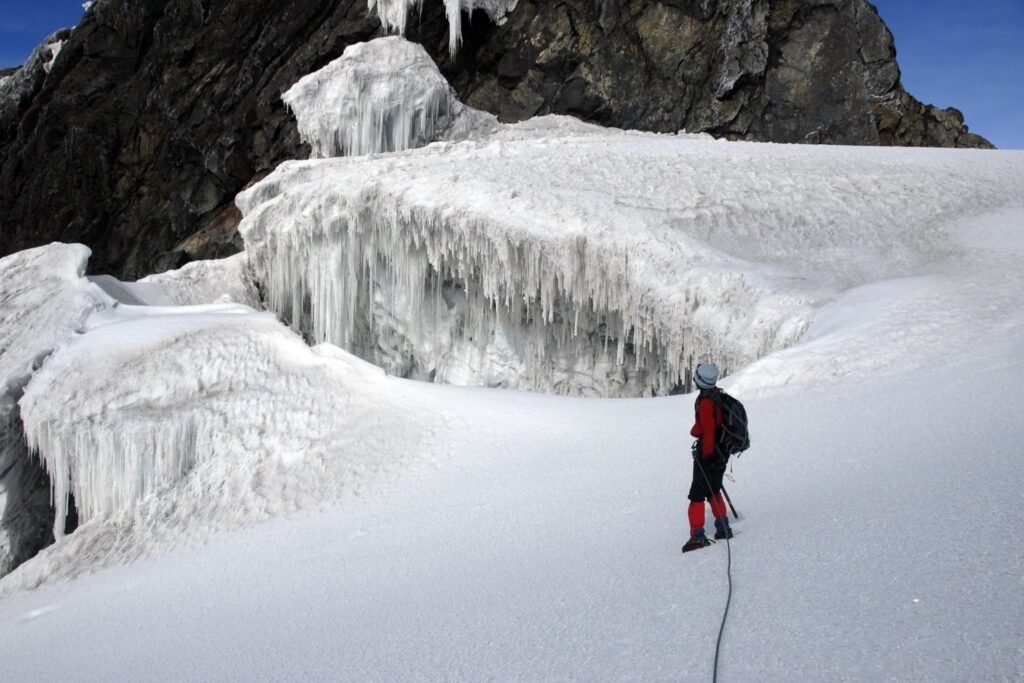
Rwenzori Mountains National Park
The Frena Expedition: High-Altitude Sophistication
Climbing the Rwenzoris is a serious undertaking that requires more than just fitness; it requires elite logistics.
- Technical Mastery: Reaching Margherita Peak involves navigating permanent glaciers. We provide internationally certified mountaineering guides, crampons, ice axes, and safety ropes to ensure a successful summit.
- The Luxury Approach: While most stay in basic huts, we curate your base-camp experience at the Equator Snow Lodge—an architectural marvel built of river stone with cozy fireplaces, providing the ultimate comfort before and after your ascent.
- Private Aerial Access: We eliminate the 6-hour drive with a 60-minute private charter flight from Entebbe to Kasese Airstrip, followed by a short executive transfer to the park gates.
Choosing Your Path: The Two Elite Routes
| Route | Vibe | Difficulty | Duration |
| Central Circuit | The Original Legend | Challenging | 7 – 8 Days |
| Kilembe Trail | The Scenic Connoisseur | High | 7 – 9 Days |
- The Central Circuit: The oldest trail, managed by local communities. It offers the classic circular experience, passing through Bujuku Valley and the mystical Lake Kitandara.
- The Kilembe Trail: Known for its superior maintenance and newer camps. This route offers dramatic ridgeline views and a more gradual ascent through the Nyamwamba Valley.
Best Time to Visit: The 2026 Window
Timing is critical in the Rwenzoris, as the range is famously mist-shrouded and wet.
- The Dry Peaks (June – August & December – February): This is the optimum window for summiting Margherita. The skies are clearest, and the bogs (the famous Rwenzori mud) are most manageable.
- The Botanical Season (March – May / Oct – Nov): While wetter, this is the best time for botany enthusiasts. The giant lobelias and groundsels are at their most vibrant, and the waterfalls are thunderous.
Frequently Asked Questions (FAQ)
How difficult is it compared to Kilimanjaro?
The Rwenzoris are more technical and physically demanding than Kilimanjaro. While Kili is a high-altitude trek, the Rwenzoris involve scrambling, ladders, and glacier travel. It is a climber’s mountain rather than just a hiker’s mountain.
What is Botanical Big Game?
This refers to the unique Afro-alpine flora found above 3,000m. Giant heathers, groundsels, and lobelias grow to prehistoric sizes (some lobelias reach 6 meters), creating a landscape that looks like another planet.
Can I see wildlife on the trek?
Yes. The lower montane forests are home to forest elephants, chimpanzees, L’Hoest’s monkeys, and the endemic Rwenzori Turaco. You may also spot the rare Three-horned Chameleon.
What gear is provided?
At Frena Adventures, we provide specialized mountaineering equipment (ropes, harnesses, crampons). You will need to bring high-quality waterproof layers, thermal gear, and broken-in high-altitude boots.
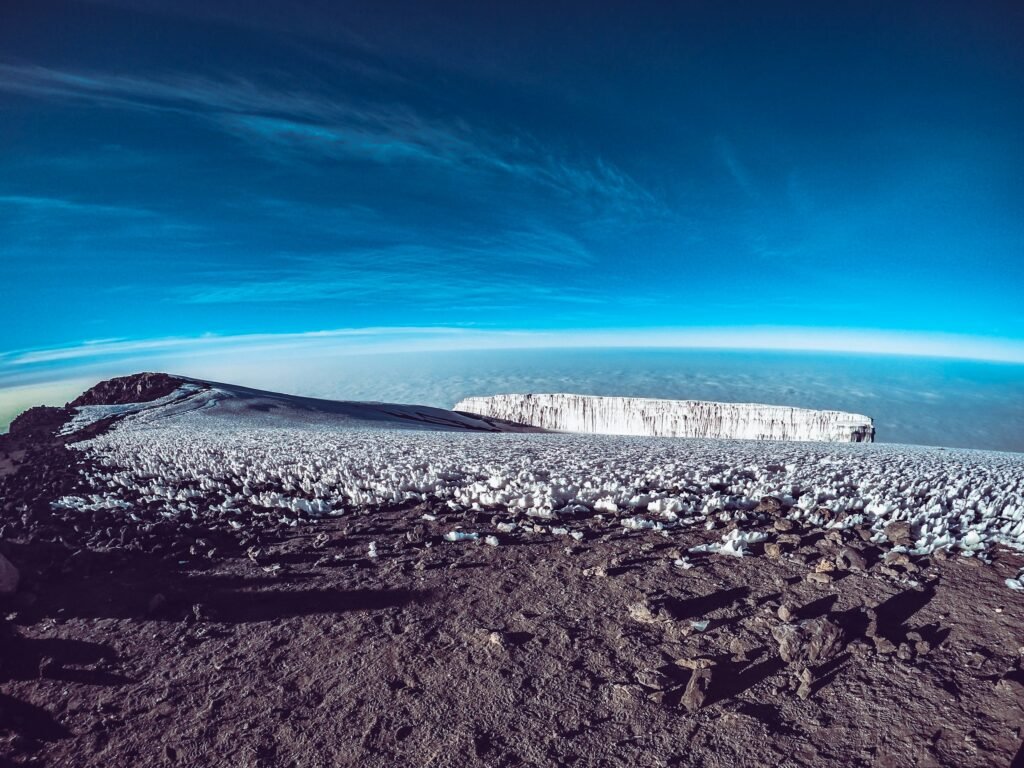
Rwenzori Mountains National Park
The Triple Peak Challenge
For the ultimate 2026 achievement, we can architect a 10-day expedition to summit the three highest peaks in the range: Mount Stanley (Margherita), Mount Speke, and Mount Baker. It is a world-class mountaineering feat that very few travelers can claim.