
The Wild, Untamed Heart of Tanzania
While the Serengeti is famous for its endless plains, Ruaha National Park is celebrated for its raw, rugged, and uncompromising wilderness. As the largest national park in Tanzania (and one of the largest in Africa), Ruaha is a place of dramatic landscapes, where the Great Rift Valley meets the rolling hills of the southern highlands.
At Frena Adventures, we often tell our guests that Ruaha is a connoisseur’s park. It is for the traveler who has seen the Big Five and now seeks something deeper: a landscape where the silence is absolute, the baobabs are ancient, and the wildlife sightings are exclusive, often shared with no other vehicles for miles.
Ruaha National Park
A Convergence of Worlds
Ruaha is unique because it sits on a biological transition zone. It is the point where the East African acacia savannah meets the Southern African Miombo woodlands.
- Dual Diversity: This overlap means Ruaha is one of the few places on the continent where you can see both the Greater and Lesser Kudu in the same thicket, or spot the Sable and Roan Antelope alongside the more common Grant’s gazelle.
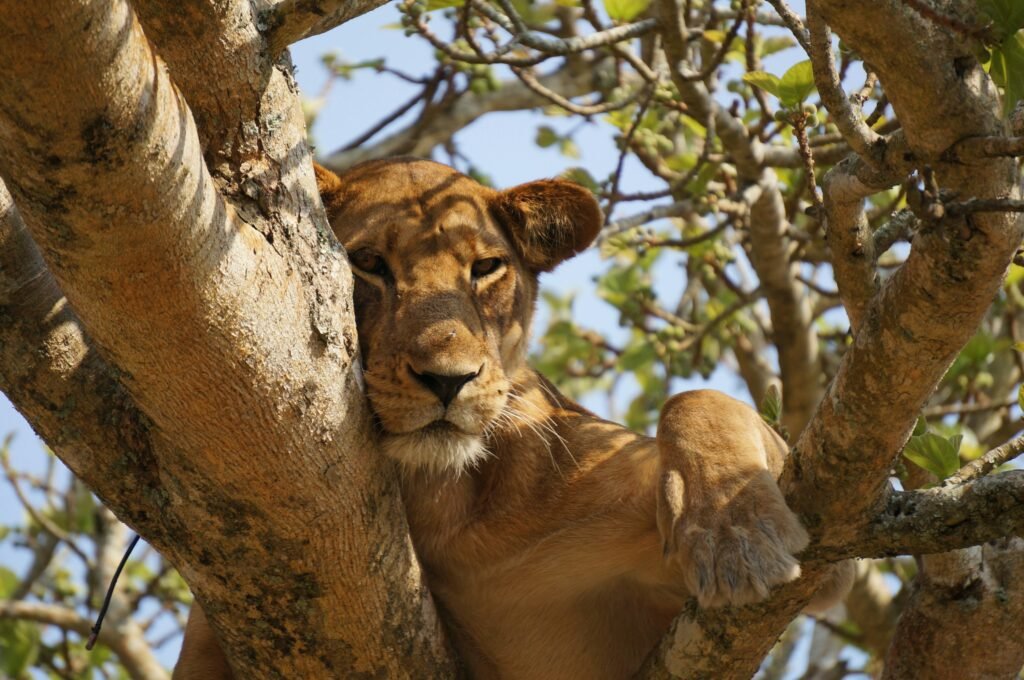
- The Predator Capital: Ruaha is home to a staggering 10% of the world’s lion population. The prides here are notoriously large and powerful, often specializing in hunting Cape buffalo. It is also a critical stronghold for the endangered African Wild Dog and boasts one of the highest concentrations of Cheetahs in East Africa.
The Great Ruaha River: The Lifeblood
The park takes its name from the Great Ruaha River, which flows along its southeastern margin. During the dry season (June to October), the river becomes a golden thread of survival. As the surrounding bush dries into a parched, dusty grey, the river remains the only source of water.
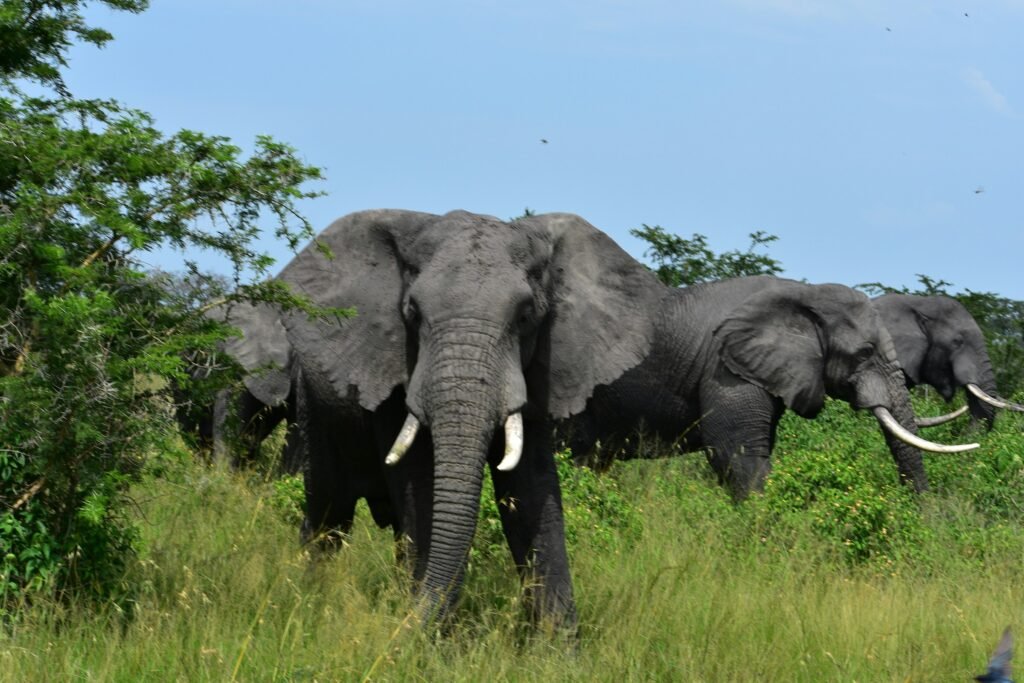
The spectacle at the riverbanks is legendary. Hundreds of elephants—some of the largest herds in East Africa—converge to dig for water in the dry riverbeds using their trunks and tusks. Meanwhile, huge pods of hippos huddle in the remaining deep pools, and Nile crocodiles bask on the sandbanks, waiting for thirsty impalas to venture too close.
A Landscape of Giants: The Baobab Forests
If Tarangire is the land of baobabs, Ruaha is their kingdom. The park is densely populated with these Trees of Life, some of which are estimated to be over 2,000 years old. In the golden light of late afternoon, the massive, silver trunks of the baobabs glow against the red earth, creating a prehistoric atmosphere that feels like a scene from millions of years ago. These trees provide essential nesting sites for the park’s 570+ bird species, including the endemic Ruaha Red-billed Hornbill.
The 2026 Safari Experience: Seasons and Flow
| Season | Months | The Experience | Why Go? |
| Peak Dry | July – Oct | High Drama. Animals are concentrated at the river. | Best for lion kills and leopard sightings. |
| The Short Dry | Jan – Feb | Birding Paradise. Migratory birds arrive; lush scenery. | Spectacular photography; the Green Ruaha. |
| Emerald Season | March – May | True Wilderness. Most camps close, but the park is stunning. | Boating (if water levels permit) and total solitude. |
The Frena Luxury Selection: Deep Immersion
Lodging in Ruaha is designed to be low-impact and high-immersion. These are not hotels; they are sophisticated camps that allow the wild to sit right at your doorstep.
- Jabali Ridge (Asilia): A stunning lodge built into a cluster of massive granite boulders (kopjes). The suites feature slatted wooden shutters that offer 360-degree views of the Ikuka escarpment and the plains below.
- Kichaka Expeditionary: For the true adventurer, Kichaka focuses on walking safaris. This is an old school luxury experience where you track lions on foot with some of the finest guides in Africa.
- Usangu Expedition Camp: Located in the remote Usangu wetlands, this camp offers a citizen science experience, where guests can participate in camera trap monitoring and predator tracking.
Ruaha National Park
The Frena Southern Circuit Extension
Ruaha is rarely visited alone. To truly experience the wilder side of Tanzania, we recommend pairing Ruaha with Nyerere National Park (formerly Selous). While Ruaha is dry, rugged, and predator-heavy, Nyerere is watery, lush, and famous for its boat safaris. Together, they offer a Bush and Water contrast that is the perfect alternative to the more crowded Northern Circuit.