
Africa’s Untamed Watery Wilderness
Formerly known as the northern sector of the legendary Selous Game Reserve, Nyerere National Park was gazetted in 2019 to honor Tanzania’s founding father, Mwalimu Julius Nyerere. Spanning over 30,000 square kilometers, it is Africa’s largest stand-alone national park, nearly four times the size of the Serengeti.
At Frena Adventures, we describe Nyerere as a wetland paradise. While the northern parks are characterized by dry plains, Nyerere is defined by the mighty Rufiji River, which snakes through the park, fanning out into a complex network of oxbow lakes, lagoons, and verdant marshes. It is one of the few places in East Africa where the safari experience happens as much on the water as it does on land.
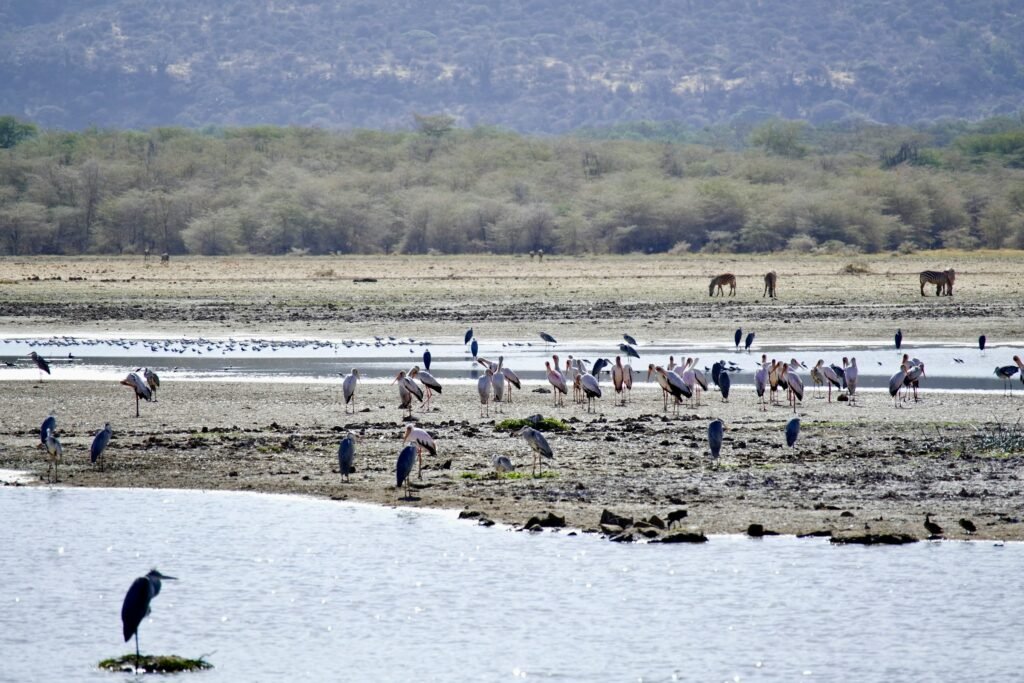
Nyerere National Park
The Rufiji River: A Different Kind of Safari
The Rufiji is the lifeblood of this ecosystem. Because of its constant water supply, Nyerere offers a unique Boat Safari experience that sets it apart from almost any other park in Tanzania.
Drifting silently in a customized boat allows you to get within arm’s reach (safely!) of giant Nile crocodiles sunning on sandbanks and massive pods of hippos. It is a peaceful, cinematic way to watch elephants and giraffes come down to the water’s edge to drink, often reflected perfectly in the mirror-like surface of the river.
A Stronghold for the Rare and Endangered
Nyerere is not just big; it is a critical refuge for species that are struggling elsewhere on the continent.
- The African Wild Dog: This is arguably the best place in the world to see the Painted Wolf. Nyerere holds a significant percentage of the remaining global population, and watching a pack of these highly social, efficient hunters move through the miombo woodland is a top-tier safari highlight.
- The Giants of the South: The park supports massive populations of Cape buffalo and some of Tanzania’s largest remaining herds of elephants.
- The Crossover Birdlife: Because of its southern location, the park is a meeting point for bird species from both East and Southern Africa. With over 440 recorded species, including the rare Pel’s Fishing Owl and the African Skimmer, it is a mandatory stop for serious ornithologists.
The Multi-Dimensional Safari: Land, Water, and Foot
Nyerere is one of the only parks in Tanzania where you can combine three distinct types of exploration:
- Game Drives: Navigating the riverine forests and open savannahs in search of lions, leopards, and the rare black rhino.
- Boat Safaris: Exploring the lagoons and the Rufiji River.
- Walking Safaris: Led by an armed ranger, these walks allow you to appreciate the small things—tracking animals by their prints, learning about medicinal plants, and feeling the true scale of the African bush.
Seasonal Guide for 2026
| Season | Months | The Experience |
| Peak Dry | July – Oct | Prime Viewing. Wildlife is concentrated at the river and lakes; thinned vegetation makes predators easier to spot. |
| Short Dry | Jan – Feb | The Green Season. Lush landscapes, many baby animals, and world-class birdwatching. Excellent for photography. |
| The Long Rains | March – May | The Rest Period. Many camps close as roads become impassable and the park rejuvenates. |
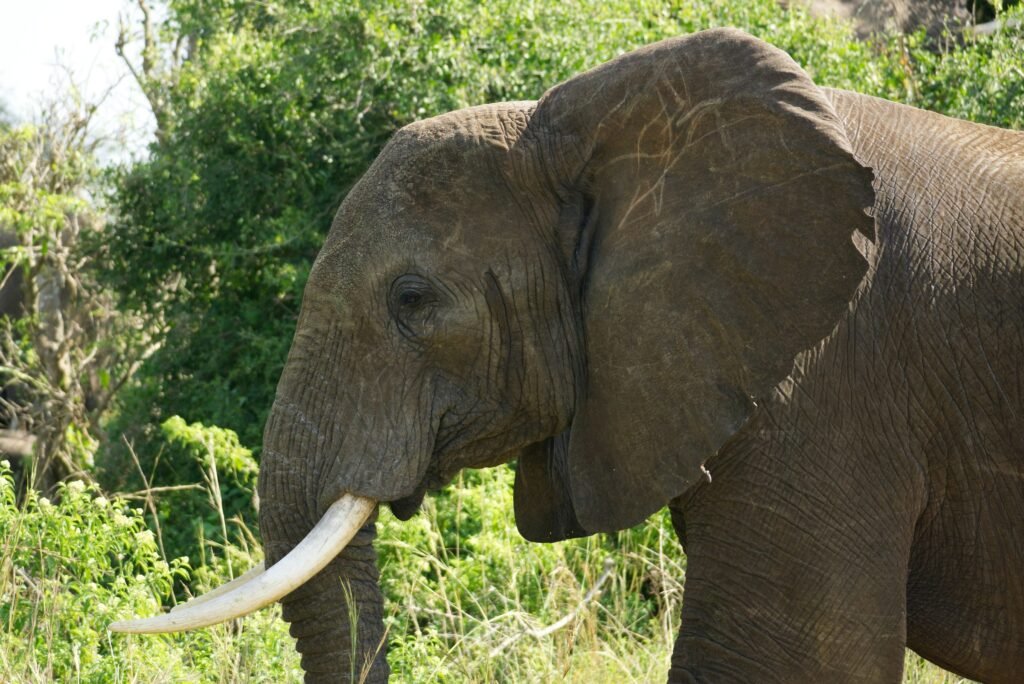
Nyerere National Park
The Luxury Selection
In Nyerere, luxury means seclusion. The lodges here are small, intimate, and often tucked away in private concessions or prime riverside locations.
- Sand Rivers Selous: Perched on a dramatic curve of the Rufiji, this lodge is famous for its open-fronted stone cottages and fly-camping adventures where you sleep under the stars in a remote corner of the park.
- Beho Beho: Located in the cooler highlands of the park, this is more of a home than a lodge. It is world-renowned for having some of the best walking guides in Africa.
- Roho ya Selous (Asilia): Set on a hill overlooking Lake Nzerakera, these stylish tents feature an evening breeze cooling system over the beds—a welcome luxury in the humid southern heat.
- Siwandu Camp Click to open side panel for more information : A sophisticated camp set among palm trees on the lake shore, offering one of the most romantic and private settings in the park.