
The Throne of the Sky God
Mount Kenya National Park Click to open side panel for more information is a UNESCO World Heritage site and home to Africa’s second-highest peak. For the Kikuyu people, this mountain is the sacred home of their god, Ngai, and its jagged, snow-dusted summits Batian, Nelion, and Lenana form a crown over the Kenyan central highlands. Unlike the rounded dome of Kilimanjaro, Mount Kenya is an ancient, eroded volcano with dramatic rock spires, deep glacial valleys, and a diverse range of Afro-alpine flora that makes it a world-class destination for trekkers and technical climbers alike.
-
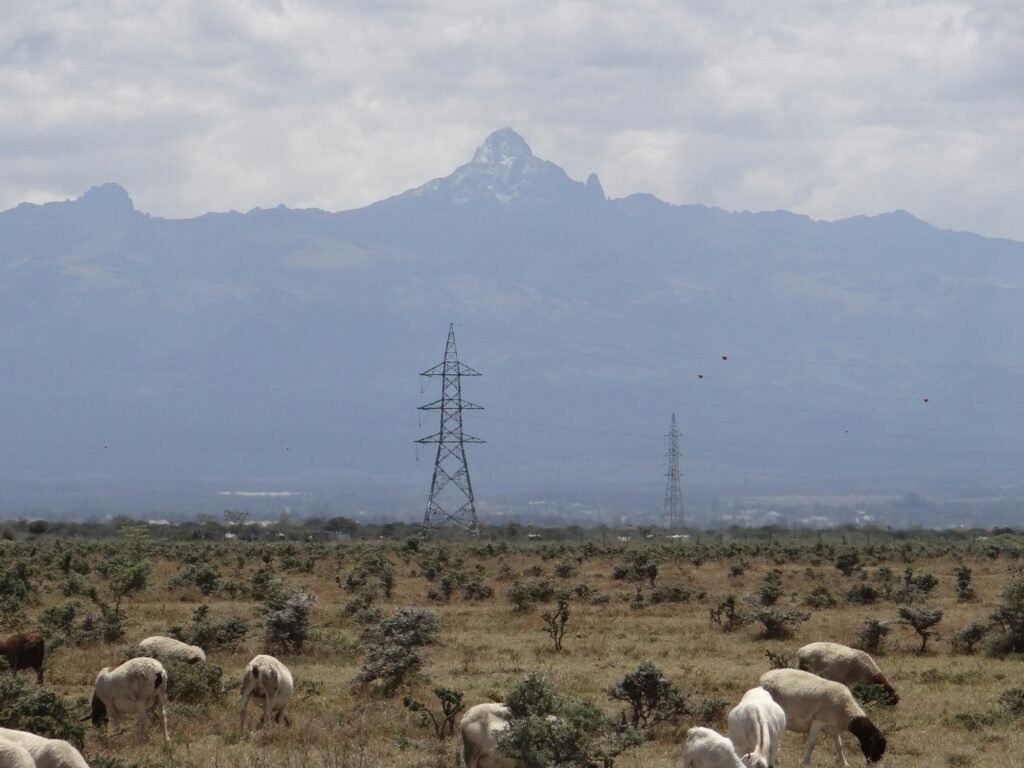
Mount Kenya National Park
Diverse Vertical Landscapes: The journey up the mountain transitions through distinct biological zones, starting from thick bamboo and montane forests filled with wildlife, ascending into high-altitude moorlands characterized by prehistoric giant lobelias and groundsels, and finally reaching the stark, rocky alpine desert.
- Accessible Summits: While the two highest peaks, Batian (5,199m) and Nelion (5,188m), require technical rock climbing skills, Point Lenana (4,985m) is a popular and accessible goal for fit hikers, offering breathtaking sunrise views that stretch across the plains of Laikipia.
- Abundant High-Altitude Wildlife: The park is a sanctuary for several rare and endangered species. Visitors often spot elephants and Cape buffalos in the lower forests, while higher up, the elusive bongo antelope and the rock hyrax—the closest living relative to the elephant—are frequently seen among the boulders.
- Glacial Lakes and Tarns: The mountain is dotted with crystal-clear glacial lakes, such as Lake Alice and Lake Michaelson, which sit in dramatic cirques and provide some of the most serene and photogenic campsites in East Africa.
Planning Your Expedition
- Primary Climbing Routes: The most popular paths include the Sirimon Route, known for its gradual ascent and beautiful forest scenery; the Chogoria Route, widely considered the most scenic due to its waterfalls and gorges; and the Naro Moru Route, which is the fastest way to reach the alpine zone but also the steepest.
- Best Time to Visit: The most reliable weather occurs during the dry seasons from January to February and late August to September. During these windows, the skies are clearest, providing the best visibility for the summits and the surrounding Rift Valley.
- Preparation: Climbing Mount Kenya requires proper acclimatization to avoid altitude sickness. Most successful treks take between 4 to 6 days, allowing the body to adjust as you move through the varying elevations.