
A Symphony of Wings
East Africa is not merely a safari destination; it is a global avian sanctuary. For the birdwatcher, this region, encompassing the diverse landscapes of Kenya, Tanzania, Uganda, and Rwanda, is the ultimate pilgrimage. From the prehistoric silhouettes of the Shoebill Stork in Ugandan swamps to the vibrant explosion of color from a Lilac-breasted Roller on the Serengeti plains, birding here is a sensory journey through some of the most biodiverse habitats on Earth.
At Frena Adventures, we believe that birding is the intellectual heart of a safari. It requires patience, a keen eye, and a deep appreciation for the intricate details of the natural world. Whether you are a Lister looking to check off rare endemics or a casual nature lover mesmerized by the sight of a million flamingos painting a lake pink, East Africa in 2026 remains an unrivaled theater of flight.
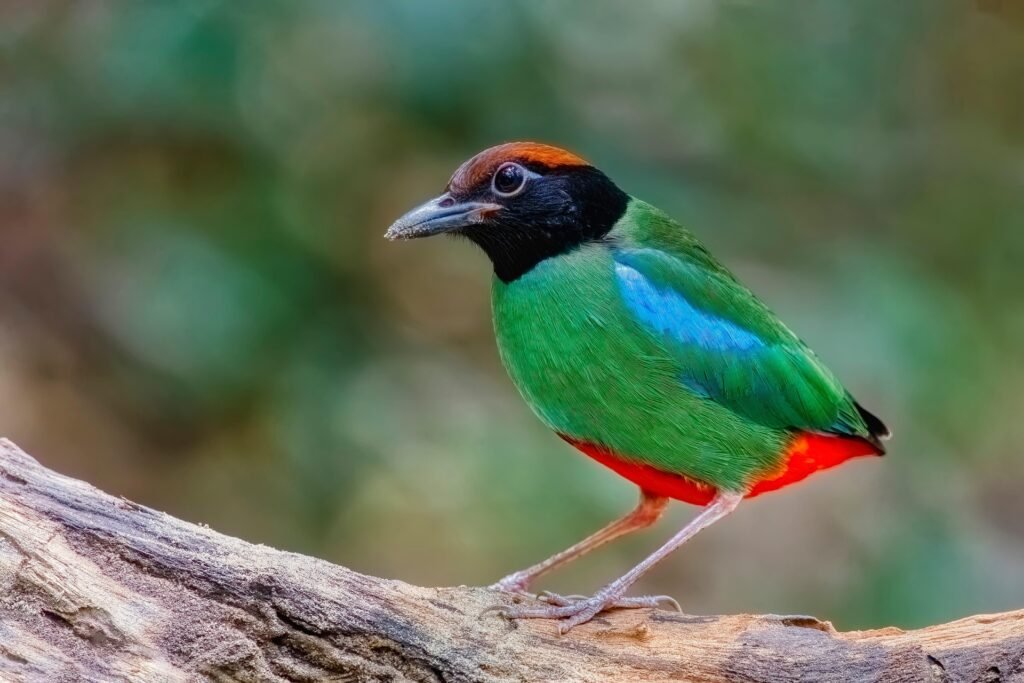
Birding in East Africa
A Continent’s Crossroads of Diversity
East Africa’s birding prestige comes from its unique geographical position. It is the meeting point of the Central African rainforests, the East African savannahs, and the Albertine Rift mountains. This convergence creates a species packing effect found nowhere else on the continent.
- Kenya & Tanzania: These giants of the safari world boast over 1,100 bird species each. The open savannahs make for easy spotting of large, charismatic birds like the Secretary Bird, the Kori Bustard (the world’s heaviest flying bird), and an incredible array of raptors.
- Uganda: Often called the Pearl of Africa, Uganda packs over 1,000 species into a country the size of Great Britain. It is the best place to find forest specialists and the legendary Shoebill, a bird so unique it occupies its own taxonomic family.
- Rwanda: The Land of a Thousand Hills is the gateway to the Albertine Rift endemics. In the misty high-altitude forests of Nyungwe, you can find species that exist nowhere else on the planet.
The Great Migration: Not Just for Mammals
While the world watches the wildebeest, the skies above East Africa host an equally dramatic movement. The region lies along the East African Flyway, a critical corridor for Palearctic migrants.
From November to April, millions of birds escape the harsh winters of Europe and Northern Asia to find refuge in the warmth of the tropics. During these months, your resident list is joined by Eurasian Bee-eaters, Steppe Eagles, and Barn Swallows. This Green Season is arguably the best time for birding; the rains bring an explosion of insects, the resident birds are in their vibrant breeding plumage, and the air is filled with complex courtship songs.
Iconic Habitats and Their Stars
A Frena Adventures birding itinerary is designed to take you through a kaleidoscope of ecosystems, each with its own celebrity species:
The Rift Valley Lakes (Kenya & Tanzania)
The soda lakes of the Great Rift Valley—Nakuru, Bogoria, and Manyara—are world-famous for their Lesser and Greater Flamingos. Under the right conditions, these lakes become a shimmering sea of pink. However, the alkaline waters also attract Great White Pelicans, African Fish Eagles, and specialized waders like the Pied Avocet.
The Albertine Rift Forests (Uganda & Rwanda)
In the dense, moss-draped forests of Bwindi Impenetrable and Nyungwe, birding becomes an adventure on foot. Here, we seek the Albertine Rift Endemics, a group of about 40 species restricted to this mountain range.
- The Rwenzori Turaco: A master of disguise with incredible crimson wings visible only in flight.
- The African Green Broadbill: A rare, tiny emerald gem that is the Holy Grail for many visitors to Bwindi.
The Wetlands and Papyrus Swamps
The shores of Lake Victoria and the banks of the Nile host the world’s most sought-after bird: the Shoebill. Standing nearly five feet tall with a prehistoric, shoe-shaped beak and a steady, golden gaze, encountering a Shoebill in the Mabamba Swamp is often described by our guests as a religious experience.
Why Bird with Frena Adventures?
Birding requires a different pace and a different set of skills than a standard wildlife safari. At Frena, we have fine-tuned our operations to cater to the specific needs of bird enthusiasts.
- Specialist Birding Guides: Our guides are not just drivers; they are ornithological experts. They know the calls, the nesting habits, and the exact perching spots of the region’s rarest birds. They carry high-quality spotting scopes and the latest field guides to ensure every sighting is a learning opportunity.
- The Slow Safari Philosophy: We understand that a birder might want to spend an hour at a single flowering tree waiting for a Double-collared Sunbird. Our itineraries feature longer stays in key locations and flexible daily schedules.
- Photography Integration: We know that capturing the perfect shot of a Malachite Kingfisher requires positioning the vehicle just right with the sun at your back. Our guides are trained to maneuver for the best photographic angles without disturbing the birds.
Planning Your 2026 Birding Expedition
| Season | Months | Experience |
| Peak Birding | Nov – April | Migratory Peak. High species counts, breeding plumage, and lush scenery. |
| Savannah Specialties | June – Oct | Dry Season. Best for raptors and grassland species as vegetation is thin. |
| Primate & Bird Combo | Year-round | High-altitude forests offer consistent birding, though treks are easier in the dry months. |
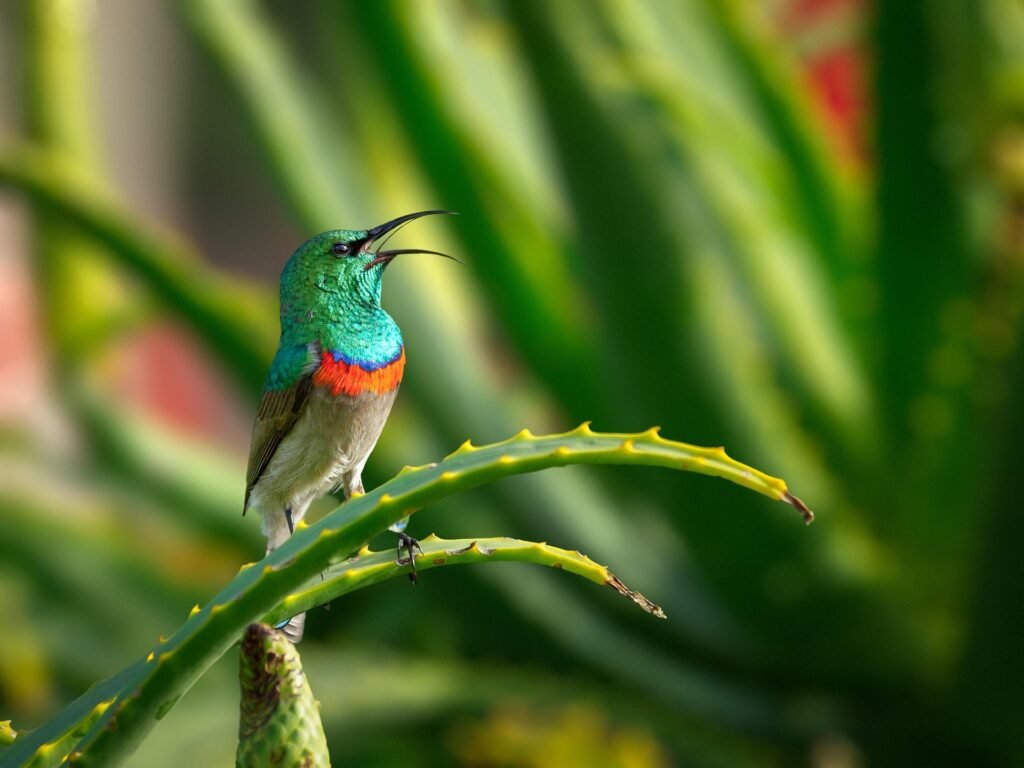
Birding in East Africa
Join the Journey
Whether you are looking for a dedicated 21-day Big List tour or a 7-day introduction to the birds of the Serengeti, East Africa will not disappoint. The sheer volume of life, the variety of song, and the prehistoric beauty of the landscape create an experience that stays with you long after the binoculars are packed away.