
The Roof of Africa
Rising in solitary majesty from the sun-baked scrublands of northern Tanzania, Mount Kilimanjaro is the highest free-standing mountain in the world and the highest point on the African continent (5,895m / 19,341ft). While most of Africa’s great peaks are part of a range, Kilimanjaro stands alone, a massive, dormant stratovolcano that seems to defy the tropical heat with its iconic, snow-capped summit.
At Frena Adventures, we see “Kili” not just as a mountain, but as a journey through five distinct climatic zones. Climbing it is equivalent to traveling from the Equator to the Arctic in a matter of days. In 2026, the park remains a global pilgrimage site for those seeking to test their physical limits and stand upon the “Roof of Africa.”
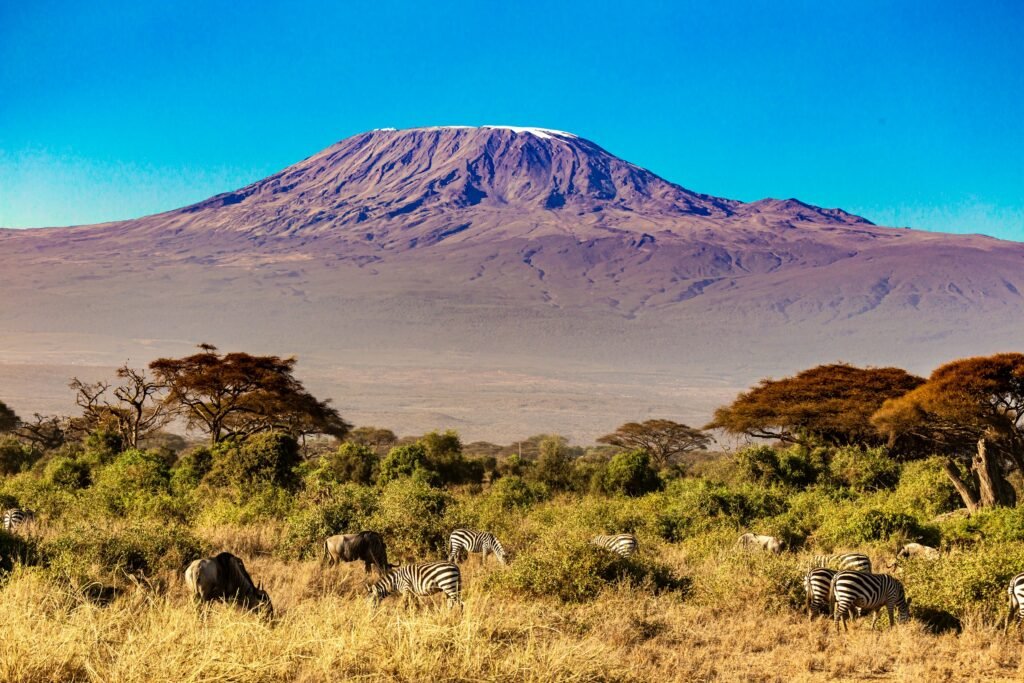
Mount Kilimanjaro National Park
The Vertical Journey: Five Ecological Worlds
One of the most profound aspects of the Kilimanjaro experience is the dramatic transition of landscapes as you ascend:
- Cultivation Zone (800m – 1,800m): The lower slopes are lush and fertile, home to the Chagga people. You’ll pass through coffee and banana plantations nurtured by the mountain’s volcanic soil.
- Rainforest Zone (1,800m – 2,800m): This is the “green belt” of the mountain. It is often misty and humid, filled with ancient trees draped in moss. Keep an ear out for the calls of the Abbott’s Duiker or the sighting of a Blue Monkey in the canopy.
- Heather and Moorland (2,800m – 4,000m): As the trees thin out, you enter a prehistoric landscape. This zone is famous for the Giant Lobelias and Groundsels—bizarre, towering plants that look like something out of a science fiction novel.
- Alpine Desert (4,000m – 5,000m): This is a stark, moon-like world. Vegetation is scarce, and the temperature swings are extreme—scorching sun by day and bone-chilling frost by night.
- Arctic Summit (5,000m+): The final push to Uhuru Peak. This is a world of rock, scree, and the rapidly receding glaciers. Reaching the rim at sunrise is an emotional experience that few other places on earth can replicate.
Choosing Your Path: The Main Routes
Each route up the mountain offers a different “personality.” Choosing the right one for your fitness level and goals is the most critical part of your 2026 planning.
| Route | Difficulty | Vibe | The “Pro” Tip |
| Machame | Challenging | The “Whiskey” Route. High success rate due to better acclimatization (climb high, sleep low). | Most scenic, but can be crowded in peak season. |
| Marangu | Moderate | The “Coca-Cola” Route. The only one with sleeping huts instead of tents. | Easiest path, but fast ascent means lower success rates. |
| Lemosho | High | Remote and beautiful. Starts on the west and crosses the Shira Plateau. | Best for 8-day treks; highest acclimatization success. |
| Rongai | Moderate | The only route starting from the North (near the Kenyan border). | Drier than southern routes; great for the rainy season. |
Conservation in 2026: The Frozen Summit
The glaciers of Kilimanjaro are more than just a beautiful sight; they are a barometer for the planet’s health. Scientific estimates suggest that the mountain’s ice caps have shrunk by over 85% since 1912. For many 2026 travelers, there is a sense of “last chance” urgency to see the Furtwängler Glacier before it potentially disappears in the coming decades.
The Tanzania National Parks Authority (TANAPA) has implemented strict “Leave No Trace” policies. At Frena Adventures, we ensure all our expeditions follow the Kilimanjaro Porters Assistance Project (KPAP) guidelines, ensuring fair wages and ethical treatment for the incredible crews who make the summit possible.
Preparation and Safety
Climbing Kilimanjaro is a “non-technical” trek, meaning you don’t need ropes or ice axes. However, it is a significant physical challenge.
- Altitude Awareness: The biggest obstacle isn’t fitness; it’s Acute Mountain Sickness (AMS). We advocate for a “Pole Pole” (Slowly, Slowly) pace to allow your body to adjust.
- The Summit Night: Usually beginning around midnight, the final ascent is a grueling trek through the cold and dark, designed to get you to Uhuru Peak just as the sun breaks over the horizon.
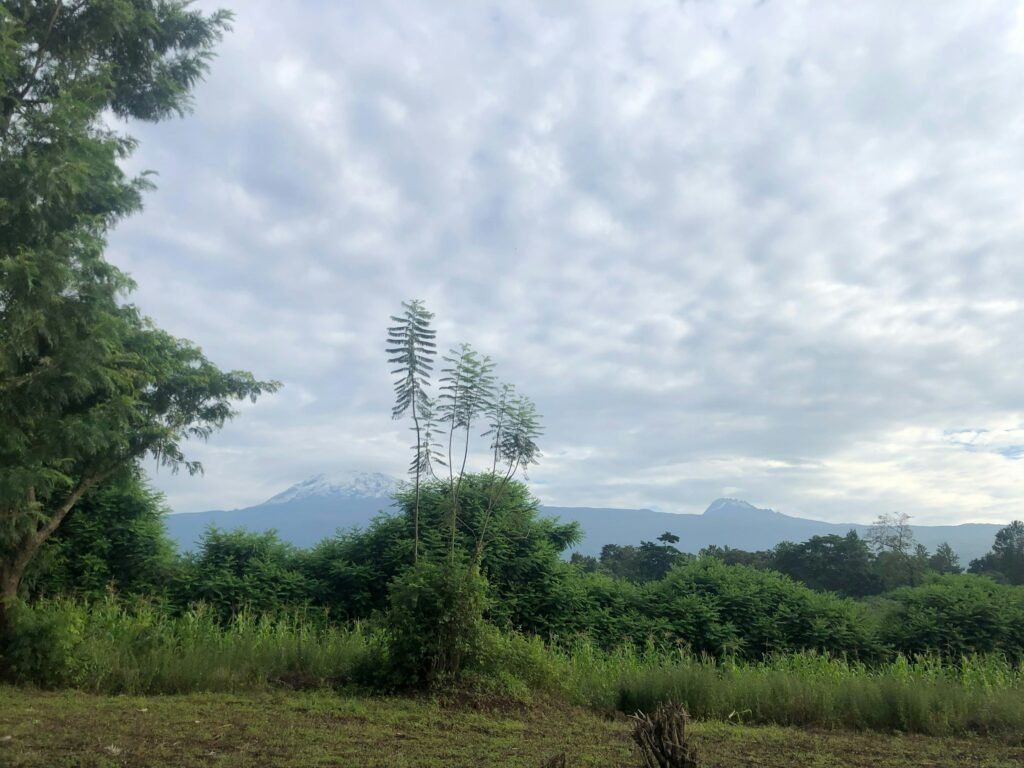
Mount Kilimanjaro National Park
The Frena Post-Climb Recovery
After 6–8 days of camping and climbing, your body will crave luxury. We recommend two specific ways to end your 2026 expedition:
- Arusha Coffee Lodge: Stay in a private “plantation house” nestled among the coffee bushes—a perfect place to soak in a bathtub and enjoy a celebratory meal.
- The Zanzibar Escape: A short 1-hour flight from Kilimanjaro (JRO) takes you to the white sands of the Indian Ocean. There is no better way to reward your legs than by lounging on a beach in Nungwi.